At the Door: The Unspoken Rules That Shape Who Belongs in Detroit's Nightlife

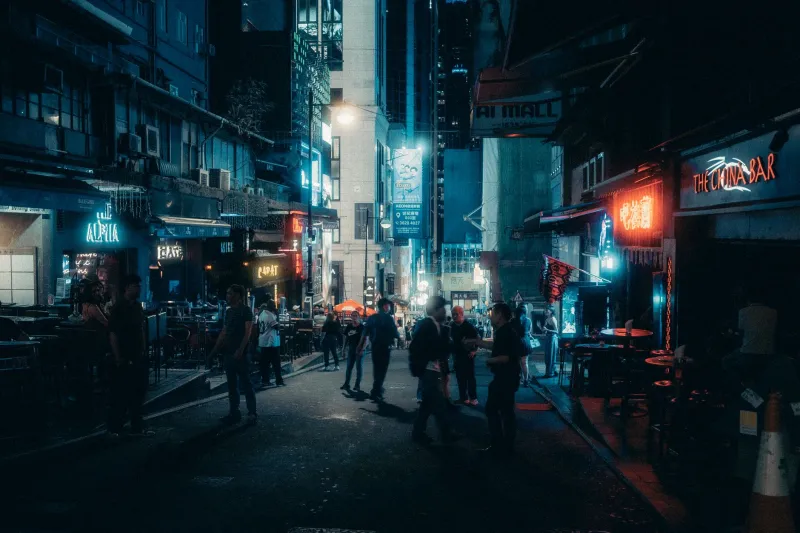
You've been there. Standing outside a venue on a Friday night, watching someone get waved through ahead of you without a second glance. No explanation. No eye contact. Just the invisible calculus of the door, playing out in real time.
Door policy is one of the most loaded—and least talked about—elements of nightlife culture anywhere. In Detroit, a city with a deeply layered history around race, class, and community identity, it carries extra weight. We spent time talking to venue operators, door staff, regulars, and first-timers to understand what's actually happening at the entrance to Detroit's clubs and bars, and what it reveals about where the scene stands.
More Than a Dress Code
When most people think about door policy, they think dress codes. No athletic wear, no open-toed shoes, collared shirts required—the classic checklist. But the reality is considerably more nuanced, and considerably more subjective, than any written policy suggests.
"The dress code is almost the least of it," says a longtime door supervisor who works several venues across Detroit. "Half the decision is about energy. Are you coming in ready to have a good time, or are you already arguing before you even get to me? That tells me a lot more than what shoes you're wearing."
That energy-reading element of door work is real, and it's where things get complicated. What feels like a gut-check safety call to one person can feel like profiling to another. And in a city where racial dynamics in entertainment spaces have a documented, painful history, those moments at the door don't exist in a vacuum.
Who Gets In—and Who Decides
The decision-making at the door is rarely as centralized as venue owners sometimes suggest. In practice, it's often delegated to individual staff members working long shifts under pressure, with limited formal training on how to apply policies consistently or equitably.
"I've been turned away from spots in this city where I knew people inside," says one Detroit native who's been a regular on the nightlife circuit for nearly a decade. "And I've never been given a real reason. You just kind of know what happened. It's frustrating because you can't even argue with a vibe."
Some venues operate with explicit guest lists managed by promoters, which adds another layer. Getting on the list can depend on who you know, how you present yourself on social media, or whether a promoter thinks you fit the aesthetic they're building for a given night. It's a system that rewards social capital—and that capital isn't distributed evenly.
Venue operators, for their part, often frame their door policies in terms of safety and atmosphere management. "We're not trying to exclude anyone for the wrong reasons," says the owner of a mid-sized club near Midtown. "We're trying to protect the environment inside. When that environment breaks down, everyone loses—staff, guests, the venue's reputation. The door is where that starts."
It's a reasonable argument. It's also one that can be used to justify almost anything.
The Inclusivity Tension
Detroit's nightlife scene has long been shaped by communities that were, in other cities and other eras, excluded from mainstream entertainment spaces. The city's techno scene, rooted in Black Detroit, built a global cultural legacy partly because it created its own spaces when mainstream venues weren't welcoming. The same is true of many other subcultures that have called Detroit home.
That history makes the conversation about door policies here feel particularly charged. There's a tension between venues that genuinely want to cultivate specific, intentional atmospheres—and those that use the language of curation to enforce exclusion that looks a lot like discrimination.
Some spaces are pushing back against that tension deliberately. A handful of Detroit venues have moved toward more transparent policies—posting clear dress code guidelines online, training door staff on consistent application, and creating formal feedback mechanisms for guests who feel they were treated unfairly. It's not a perfect system, but it's a start.
Others have leaned into radical inclusivity as a brand identity. All-ages events, sliding scale covers, explicitly queer-centered or BIPOC-centered nights—these aren't just social statements. They're programming choices that reflect a belief that broader access builds a stronger, more resilient scene.
What Newcomers Experience
For people new to Detroit's nightlife—whether they're transplants, visitors, or locals finally stepping outside their comfort zone—the door experience can be the difference between falling in love with the city's scene and writing it off entirely.
"I moved here two years ago and the first few times I went out, I had no idea what the rules were," says one young professional who relocated from Chicago. "Some places were incredibly welcoming. Others felt like I was being sized up before I even opened my mouth. It took a while to figure out which spots were actually for me."
That learning curve has real consequences for a city that's actively working to attract and retain young residents. Nightlife is part of a city's appeal—it's culture, community, and identity all wrapped into a Friday night. When the entry points to that culture feel arbitrary or hostile, it shapes perception in ways that are hard to walk back.
The Bigger Picture
Door policy isn't just a venue operations question. It's a reflection of values—what a space thinks it's for, who it thinks belongs there, and how it balances safety with openness.
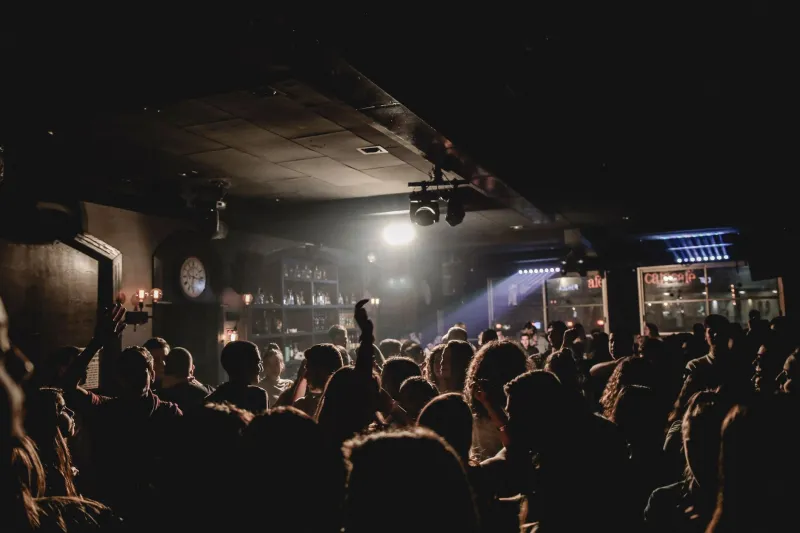
Detroit's nightlife has always been, at its best, a place where those questions get worked out in real time, on the dance floor, between strangers who became regulars. The door is just the first test of whether a venue is serious about that promise.
The most respected spots in this city—the ones people talk about with genuine affection—tend to be the ones where the door feels like an invitation rather than a judgment. That's not an accident. It's a choice. And it's one every venue gets to make every single night.