The Neighborhoods Doing It Differently: Where Detroit's Real Nightlife Is Happening Right Now
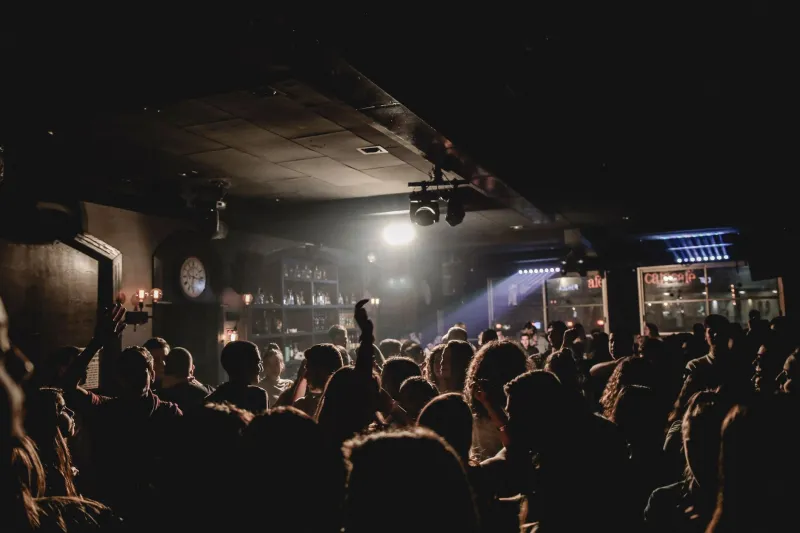
Look, we love downtown Detroit. We love Midtown. But if you've been sticking exclusively to the well-worn circuit of venues clustered around Woodward and Grand River, you're missing a huge chunk of what makes this city's nightlife scene genuinely special.
Detroit has always been a city of neighborhoods — tight-knit, distinct, and fiercely proud. And right now, several of those neighborhoods are quietly (or not so quietly) becoming the new frontier for live music, late-night culture, and the kind of grassroots entertainment scenes that don't show up in tourism brochures. Here's where to point your car.
Southwest Detroit / Mexicantown: More Than Dinner
Most people think of Southwest Detroit as a destination for incredible Mexican food — and they're not wrong. But stick around past dinner and you'll find a nightlife scene that's been growing steadily for the past few years.
A handful of bars and small venues along Vernor Highway have started hosting live cumbia nights, DJ sets, and occasional live band showcases that draw a genuinely mixed crowd of longtime residents and newer arrivals. The vibe is neighborhood-first in the best way — you're not going to find velvet ropes or $18 cocktails here.
Worth knowing: Keep an eye on social media for pop-up events in the area. Some of the best nights happen in spaces that aren't traditional venues at all — backyards, parking lots, repurposed storefronts.
Jefferson-Chalmers: The East Side Is Waking Up
The Jefferson-Chalmers corridor has been having a slow, steady moment for a few years now, and the entertainment scene is starting to catch up with the neighborhood's broader revival. Situated along the Detroit River on the far east side, the area has a handful of bars and gathering spots that have started programming live music with more regularity.
The Jefferson Arms is a good anchor point — a neighborhood bar that hosts local bands on weekends and has become a reliable spot for east siders who don't want to drive to Midtown every time they want to catch a show. The crowd is unpretentious, the drinks are reasonably priced, and the room has decent acoustics for a bar that wasn't built as a music venue.
The bigger story here, though, is what's coming. With the Vanity Ballroom restoration underway (see our separate deep-dive on that), Jefferson-Chalmers could have a genuine anchor venue within a couple of years. The bones of a real scene are already there.
Hamtramck: Still Weird, Still Worth It
Hamtramck is technically its own city, fully encircled by Detroit, but it's always been part of the cultural fabric here — and its reputation as a haven for punk, indie rock, and genuinely strange nightlife is well-earned.
The small city's bar scene is dense and walkable in a way that's unusual for the metro area. Venues like Sanctuary Detroit (formerly known for its role in Detroit's metal scene) and a rotating cast of small bars with live music have kept Hamtramck's reputation intact. More recently, the neighborhood has also become home to a significant Yemeni and Bangladeshi community, and the cultural cross-pollination is starting to show up in the nightlife — new restaurants staying open late, different musical influences bleeding into DJ sets.
Insider tip: The stretch of Jos. Campau Avenue is your starting point. Park once and walk. You'll find something worth stopping for.
New Center: The Underrated Option
New Center — the neighborhood anchored by the Fisher Building, just north of Midtown — has long been overshadowed by its more famous neighbor. But a few things have been quietly shifting.
The Fisher Building itself hosts occasional cultural events and pop-ups in its stunning Art Deco lobby, and the surrounding blocks have seen a handful of new bars and gathering spots open in recent years. The crowd here tends to skew a little older than the Midtown bar scene, and the energy is a bit more low-key — which, depending on your mood, can be exactly what you want.
Keep tabs on the New Center area's event calendar, particularly around the Kresge Foundation and the Detroit Symphony Orchestra's community programming, which sometimes spills into neighborhood venues.
West Village: Small Rooms, Big Energy
West Village has been one of Detroit's most talked-about neighborhood revivals for a few years running, and the nightlife scene there has matured nicely. The strip along Agnes Street has a walkable cluster of bars and small venues that punch above their weight in terms of programming.
Michigan & Trumbull — yes, named after the old Tiger Stadium intersection — is a craft beer bar that hosts occasional live acoustic sets and has become a neighborhood living room of sorts. Nearby, a rotating series of pop-up events in the neighborhood's courtyard spaces and storefronts has given local promoters a canvas to experiment.
The scale of West Village's scene is deliberately small, and that's the appeal. You're not going to see national touring acts here. You're going to see Detroit musicians playing for Detroit people in rooms where everyone can actually see the stage.
Why This Matters (Beyond Just Finding a Good Bar)
There's a real cultural argument for spreading out. When nightlife and live music concentrate exclusively in one or two neighborhoods, the rest of the city loses something — a sense of vibrancy, a reason to be out, an identity beyond "residential area."
What's happening in places like Jefferson-Chalmers, Southwest Detroit, and Hamtramck right now is that communities are building entertainment cultures that reflect who actually lives there. That's not just good for those neighborhoods — it's good for Detroit's reputation as a city where creativity can happen anywhere, not just in the zip codes with the most investment.
So the next time you're making plans, resist the pull of the familiar. Point your GPS somewhere new. Detroit's neighborhoods have been waiting to show you what they've got.