Next Chapter: Detroit's Venue Owners Are Betting Big on What Comes After 2025
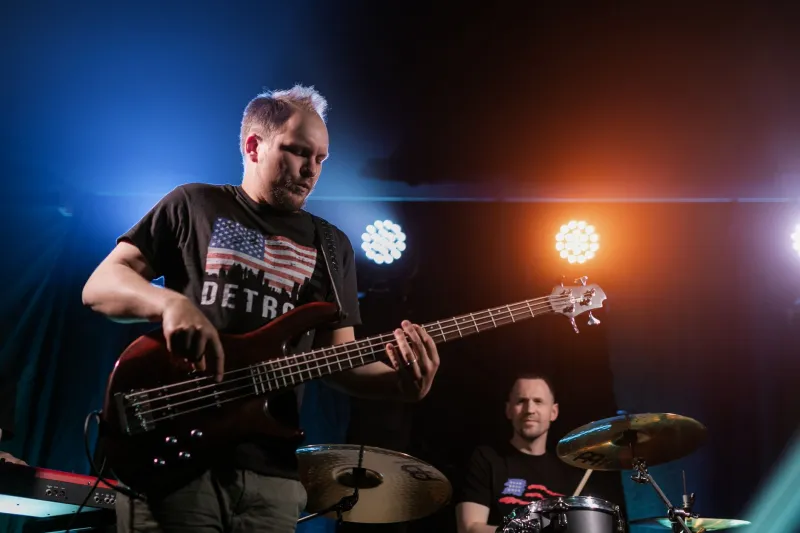
There's a particular kind of optimism that lives in Detroit. It's not naive — it's been stress-tested by decades of economic turbulence, population loss, and the kind of institutional neglect that would have hollowed out a less resilient city. But it's real, and right now, you can feel it in the conversations happening behind the bars, in the back offices, and on the construction sites of Detroit's entertainment venues.
We talked to operators across the city — from legacy room holders to newer independent voices — about what they're building, what they're betting on, and what they think Detroit's live entertainment scene looks like on the other side of 2025.
The Renovation Wave Is Real
If you've noticed more scaffolding and construction fencing around some of Detroit's older music and event spaces lately, you're not imagining it. Several venues that survived the pandemic years in various states of suspension are now in active renovation or expansion mode.
The motivations are layered. Some operators are responding to genuine audience growth — Detroit has been drawing more visitors and new residents, and the demand for quality live entertainment has followed. Others are making infrastructure investments they deferred during leaner years. And a few are doing something more ambitious: rethinking what their spaces are actually for.
"We're not just updating the bathrooms," said one Midtown venue operator who's been running her room for over a decade. "We're asking who we want to be for the next ten years. That's a different question."
The answer, in her case, involves expanded programming flexibility — the ability to host anything from a 200-person seated concert to a private event to a community film screening without the room feeling wrong for any of it. Multipurpose isn't a compromise anymore. For a lot of operators, it's the whole strategy.
Betting on the Mid-Size Room
One of the clearest trends emerging from these conversations is a growing conviction that the mid-size venue — somewhere in the 400 to 800 capacity range — is the sweet spot for Detroit's market right now.
The logic makes sense when you think about it. Large-capacity venues require a consistent pipeline of touring acts that can fill seats, which means competing for bookings against Chicago, Cleveland, and every other Midwest market. Small venues are beloved but financially fragile. The mid-size room gives operators room to book regional talent, local headliners, and the occasional national act without betting the entire business on a single night.
"Detroit has incredible local artists who deserve a proper stage," said one operator whose venue sits in the Eastern Market corridor. "Not a 100-person bar. Not an arena. Something in between that takes them seriously."
Several venue owners mentioned plans to either expand existing footprints or launch secondary rooms specifically designed for this capacity range. It's a vote of confidence in the depth of Detroit's local music ecosystem.
The Outdoor and Flexible Space Play
Post-pandemic, outdoor programming went from a nice-to-have to a genuine competitive advantage. Detroit's warmer months are short, which makes outdoor venue capacity a premium commodity — and operators know it.
At least three venue owners we spoke with mentioned ongoing or planned outdoor expansions: rooftop additions, courtyard build-outs, or adjacent lot conversions. One Corktown operator described a planned garden space that would function as a summer music venue and a year-round private event space with tent infrastructure.
"People want to be outside when they can be," he said simply. "We want to be the place they go when that's what they're looking for."
The flexibility angle goes beyond outdoor spaces. Several venues are investing in modular staging, improved lighting rigs, and acoustic treatments that make their rooms more adaptable. The goal is to say yes to more types of bookings without sacrificing the experience for any of them.
What Operators Are Worried About
It wouldn't be an honest conversation without acknowledging the real pressures. Detroit's venue operators are navigating a few consistent challenges heading into the next few years.
Rising operational costs are the most immediate. Labor, insurance, and production expenses have all climbed significantly, and cover charges and ticket prices can only absorb so much before audiences push back. Several operators mentioned experimenting with different revenue models — expanded food and beverage programs, membership tiers, and private event revenue — to reduce dependence on door income.
Booking competition is intensifying. As Detroit's reputation grows, more national promoters are paying attention, which is a double-edged situation. It brings bigger acts, but it also means independent venues are sometimes competing against better-resourced operators for the same talent.
Neighborhood change is a quieter concern. As certain Detroit corridors have become more developed and property values have shifted, some longtime venue operators are watching their surrounding context change in ways that complicate their identity and their audience.
"We built this place for a specific community," said one long-running Hamtramck operator. "We're not going anywhere, but we're paying attention to what's happening around us."
The Trends They're Betting On
Ask venue owners what they think the next three to five years look like, and a few themes come up consistently.
Experiences over transactions. The operators who feel most confident about the future are the ones building something that can't be replicated at home. Immersive events, artist-in-residence programs, venue-specific programming that you can only get at that specific place on that specific night. The transactional bar visit — show up, drink, leave — feels increasingly fragile as a business model.
Community anchoring. Several venue owners described deliberate efforts to root their spaces in neighborhood identity. That means local art on the walls, local vendors at events, and programming that reflects the actual demographics of the surrounding area rather than a generic entertainment template.
Technology as infrastructure, not spectacle. Upgraded sound systems, better streaming capabilities, improved ticketing and data tools. Operators are investing in tech that makes the experience better without making the tech the point.
What It All Adds Up To
Detroit's venue operators aren't a monolithic group. They come from different neighborhoods, different musical traditions, and different visions of what this city's entertainment scene should look like. But there's a shared seriousness in how they're approaching the next chapter.
They're not waiting to see what happens. They're making decisions, spending money, and betting on a version of Detroit nightlife that's more durable, more flexible, and more intentional than what came before.
For anyone who loves this city's live scene — and there are a lot of us — that's worth paying attention to.