Off the Map: Your No-Nonsense Guide to Detroit's Wildest Underground Nightlife Right Now
Let's be straight with you: the best night you'll ever have in Detroit probably won't happen at a venue with a Yelp page. It won't be somewhere you found through a promoted post. The address might come through a group chat. The flyer might just be a black square with a time and a neighborhood. And when you finally get there — wherever there turns out to be — it will feel like the rest of the city doesn't exist.
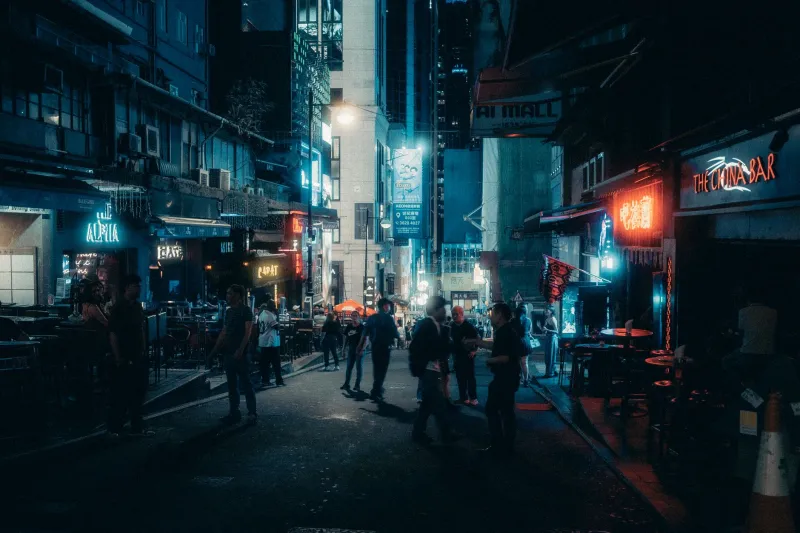
Detroit's underground nightlife scene in 2024 is thriving in a way that's almost defiant. In an era when everything is documented, streamed, and monetized before the night is even over, this city has managed to preserve pockets of genuine experimentation. Here's how to find them — and how to move through them without being that person.
Why Underground Still Means Something Here
In a lot of American cities, "underground" is a marketing strategy. In Detroit, it's a survival instinct.
The city's history with warehouse culture goes back to the earliest days of techno — those mid-'80s loft parties where Juan Atkins, Kevin Saunderson, and Derrick May were essentially inventing a genre in real time for audiences that could fit in a living room. That spirit didn't die. It went dormant during certain rough patches, sure, but it never actually left.
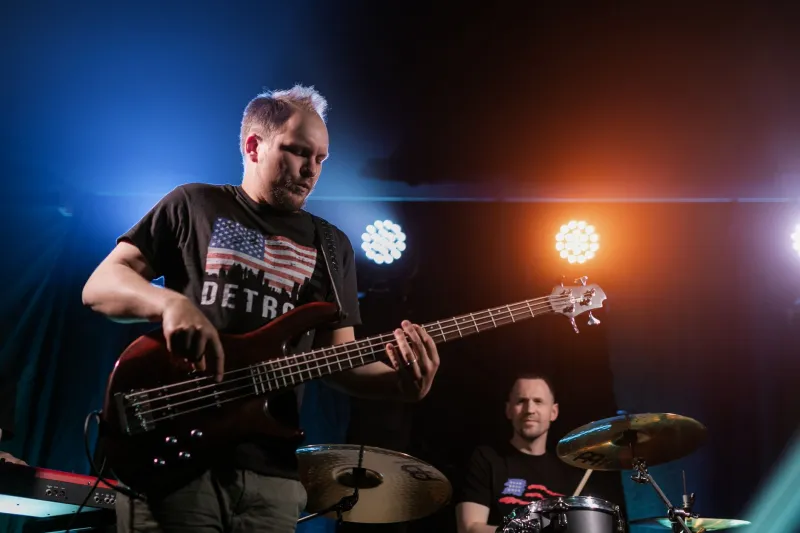
What you're seeing now is a generation of Detroit creatives — DJs, visual artists, musicians, event organizers — who grew up hearing about those foundational nights and decided they wanted to create their own version. Not a tribute. A continuation.
Eastern Market After Dark
If you only know Eastern Market as a Saturday morning farmers' market situation, you're missing the second half of the story. After sundown — particularly on Friday and Saturday nights — the district transforms into something else entirely.
The warren of brick buildings and loading docks in and around the market district has long been fertile ground for pop-up events. These aren't advertised through conventional channels. Your best bet is following the Instagram accounts and email lists of local collectives like Interdimensional Transmissions, which has been one of the key stewards of Detroit's experimental electronic scene for years. When they announce something in the Eastern Market area, you show up.
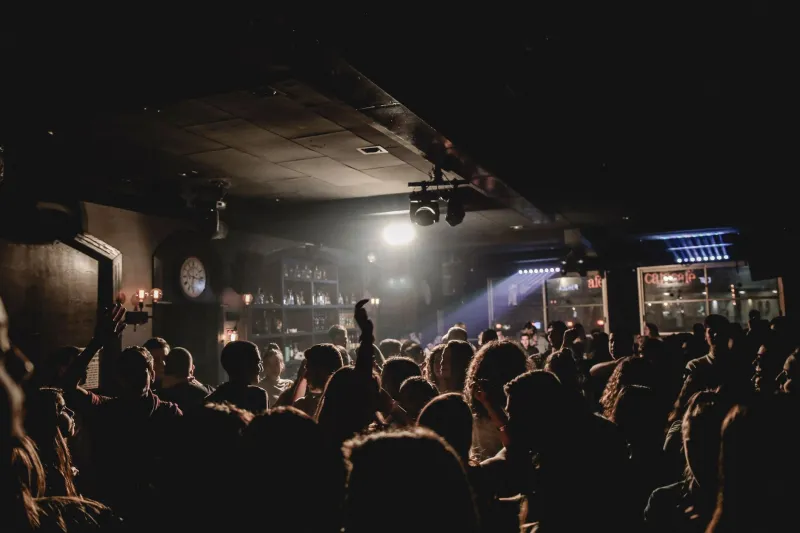
What you'll typically find: sound systems that cost more than most people's cars, lighting that treats the industrial architecture as a feature rather than a problem, and crowds that are genuinely diverse in age, background, and musical taste. Detroit underground events have never been particularly cliquey. There's a democratic quality to them that's actually pretty rare.
The Warehouse Circuit
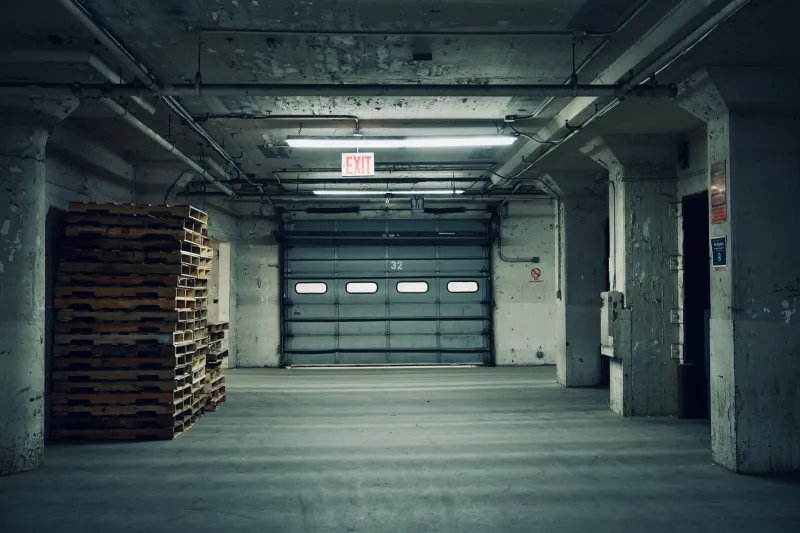
Detroit has no shortage of large, empty industrial spaces, which is both a consequence of the city's economic history and the underground scene's greatest asset. The warehouse party circuit here operates on a rotating basis — locations change, organizers shift, but the energy is consistent.
A few things to know if you're new to this:
Follow the flyer artists. In Detroit, the visual art around an event is often a reliable indicator of the event's quality. Certain graphic designers and artists are known for their association with high-quality underground nights. If you recognize the aesthetic, trust it.
Get on the right email lists. Submerge, the legendary Detroit techno record shop and label, maintains connections to the underground event world that go back decades. Their communications are worth subscribing to. Similarly, spots like Peoples Records in Midtown are community hubs where you can pick up physical flyers and get a read on what's actually happening.
Arrive at a reasonable time. This isn't a New York situation where showing up at 2am is considered prompt. Detroit underground events often start earlier and run long. Being there at midnight means you're in the room for the full arc of the night.
Pop-Up Culture and the Collectives Driving It
Beyond the warehouse circuit, Detroit has a thriving pop-up culture that extends the underground ethos into other spaces — galleries, storefronts, backyards, rooftops. The collectives organizing these events are doing something genuinely interesting: they're treating nightlife as a form of community organizing.
Groups operating in this space are often explicitly invested in the city's social fabric. Events are frequently fundraisers, benefit nights, or platforms for local visual artists and vendors alongside the music programming. The line between a party and a community gathering is deliberately blurry, and that's the point.
This is Detroit culture expressing itself on its own terms — not packaging itself for outside consumption, but building something for the people who live here.
Practical Tips for First-Timers
Alright, here's the honest practical section. If you're visiting Detroit and want to experience the underground scene without making a fool of yourself, keep these things in mind:
Respect the door. Cover charges at underground events are usually modest, but they matter. These events operate on thin margins. Pay it without grumbling.
Leave the camera down. Photography culture at underground Detroit events is generally more restrained than at mainstream venues. Read the room. If you see a no-photo sign or vibe, honor it. You're a guest.
Talk to people. Detroit nightlife crowds are, counterintuitively, quite welcoming to genuine newcomers who show up with humility and curiosity. Don't perform coolness. Just be interested. You'll have better conversations than you expect.
Get there on foot or rideshare. Parking in industrial areas can be genuinely confusing at night, and you don't want to spend the first hour of your evening circling blocks. Drop-off is always the move.
The Spots Worth Knowing By Name
While much of the underground scene is deliberately ephemeral, a few anchors have established enough consistency to name-check:
TV Lounge in Midtown occupies a particular niche — it's small, it's dark, it's loud in the best possible way, and its programming has a commitment to Detroit's electronic tradition that feels genuine rather than nostalgic.
The Works has hosted some of the city's most significant underground events over the years, operating in the space between art venue and nightclub with a fluidity that suits Detroit's creative community perfectly.
Spot Lite on East Jefferson is another name that comes up consistently in conversations about where the real Detroit nightlife is happening — a bar-and-venue hybrid with a genuine community feel and programming that rewards regulars.
The Bottom Line
Detroit's underground scene doesn't need your validation, and it's not trying to impress you. That's what makes it worth seeking out. In a nightlife landscape increasingly designed for content creation and brand partnerships, there's something almost radical about spaces that exist purely because people want to be in them, making and hearing music that matters to them.
The city has been doing this longer than most. It'll be doing it long after the current moment passes.
You just have to know where to look — and now you've got a head start.