Members Only (Except When It's Not): How Detroit Venues Are Mastering the Art of Selective Welcome
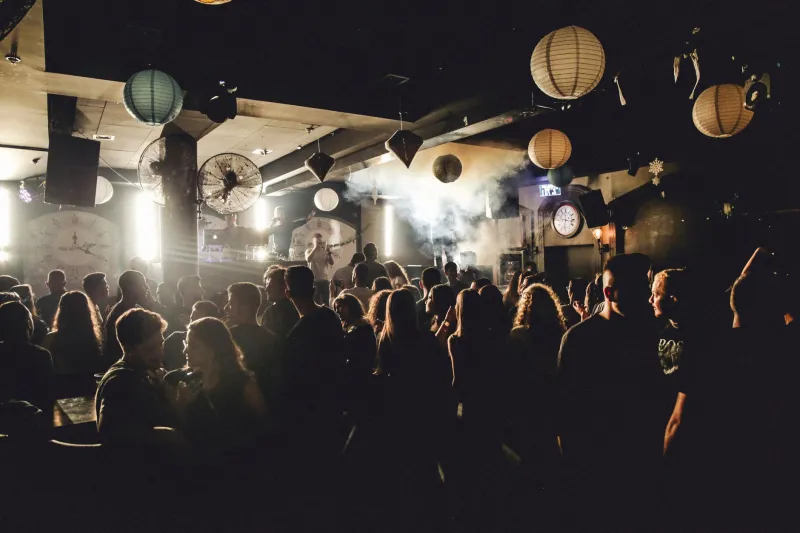
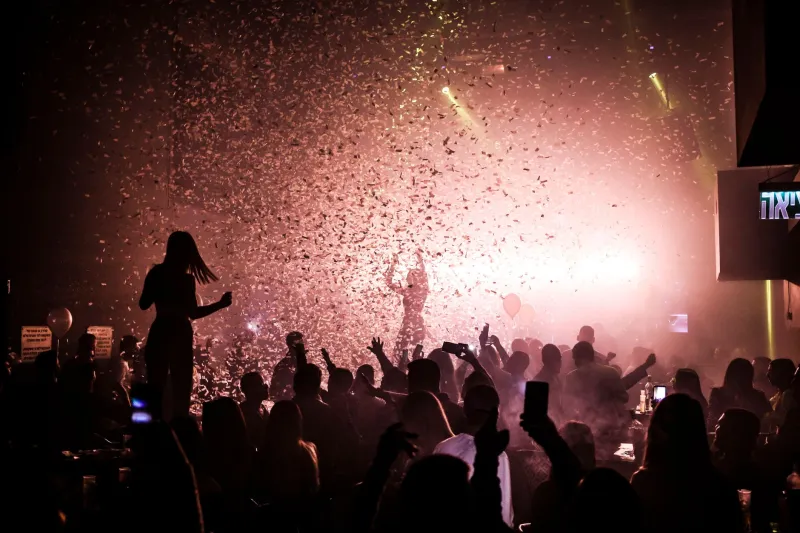
There's a specific feeling you get when a place makes you feel like you belong there. It's not just about the music or the drinks — it's something harder to name. Like the room was somehow waiting for you. Detroit's nightlife has always had a version of that feeling baked into its DNA, but the venues doing it best right now aren't just running on vibes. They're being deliberate about it.
The question is: how do you make something feel exclusive without turning half your potential crowd away at the door?
The Velvet Rope Has a New Job
For a long time, exclusivity in nightlife meant one thing — a physical barrier, a guest list, a bouncer with a clipboard who decided your night before it started. That model still exists. But the venues that are actually building loyal followings in Detroit right now are thinking about exclusivity differently.
"It's less about keeping people out and more about making the people inside feel like they found something," says Marcus Webb, who manages events at a midsize venue in Midtown. "If someone walks in and feels like they stumbled onto a secret, that's the goal. Not that we turned fifty people away."
That shift in thinking — from gatekeeping to curating — is showing up across the city's nightlife landscape. Venues are investing in atmosphere, in programming specificity, in the kind of word-of-mouth reputation that makes a Tuesday night feel like a privilege.
What "Special" Actually Costs
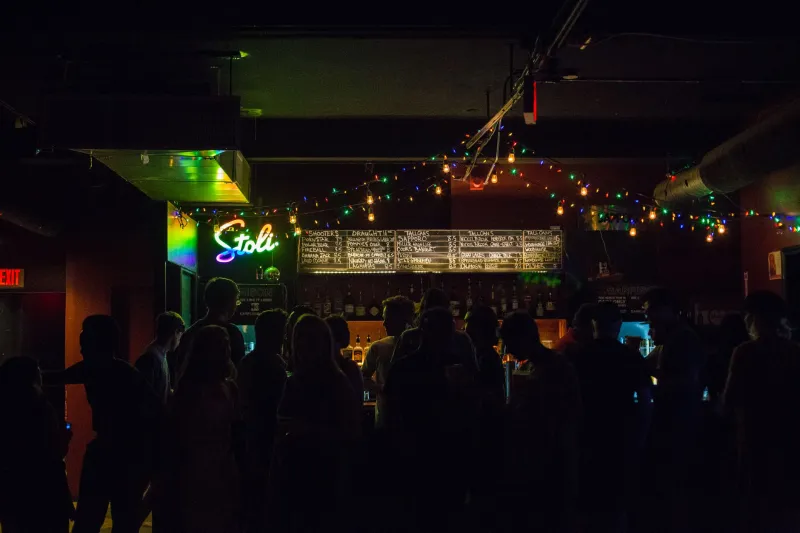
Building that sense of discovery doesn't come cheap, and it doesn't happen by accident. Venue operators are making real investments in the details that create the feeling — lighting that changes the energy of a room, booking policies that favor emerging artists over reliable crowd-pullers, décor that signals something more intentional than a generic bar setup.
At one Eastern Market spot that's become a go-to for Detroit's creative community, the owner — who asked to stay unnamed — described spending more on the entry experience than on the bar renovation. "People decide how they feel about a place in the first thirty seconds," she said. "We put money into that thirty seconds."
Patrons notice. Jasmine Okafor, a graphic designer who's been hitting Detroit's nightlife circuit for about six years, says she can tell almost immediately whether a venue is performing exclusivity or actually earning it. "There's a difference between a place that's hard to get into and a place that feels worth getting into. Detroit has more of the second kind than people give it credit for."
The Regulars Are the Product
Here's the piece that a lot of venues get wrong: they spend all their energy attracting new people and almost none of it retaining the ones they already have. The math on that doesn't work out. A room full of first-timers is just a crowd. A room where half the people know each other — and know the staff — is a community.
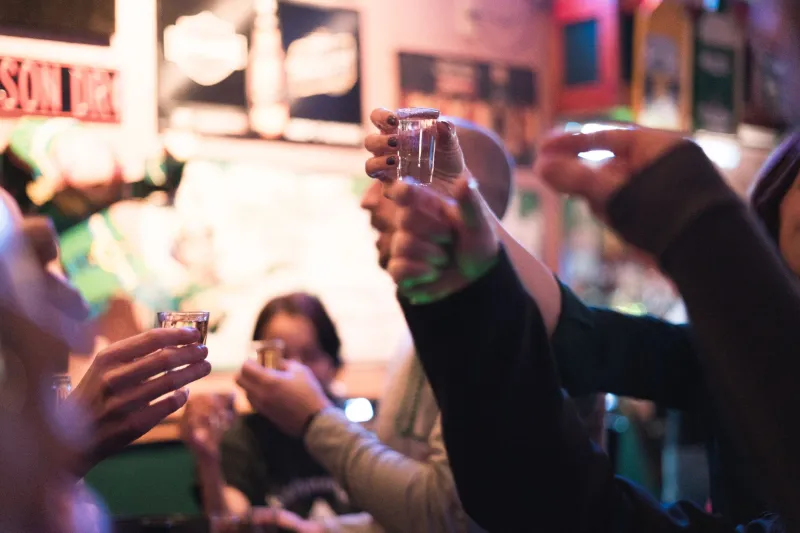
Detroit venues that have cracked the loyalty code tend to have one thing in common: they treat their regulars like co-owners of the experience. That means remembering names, sure, but it also means programming choices that reward the people who show up consistently. Early access to ticket drops. Invitations to low-key industry nights. A bartender who knows your order before you open your mouth.
"The regulars are doing half our marketing for us," says Webb. "When someone brings three friends because they want to show off a place they love, that's better than any Instagram ad we could run."
Darrell Hutchins, who's been a fixture at several of Detroit's underground electronic nights for years, describes the experience from the other side. "When a venue starts feeling like yours, you protect it. You bring good people. You don't trash talk it online when something's off one night. You're invested."
Accessibility Isn't the Enemy of Mystique
One of the persistent myths in nightlife is that making a place more welcoming automatically makes it less cool. Detroit is quietly disproving that. Some of the city's most buzzed-about venues right now are also among the most deliberately accessible — no dress code theatrics, sliding-scale cover nights, programming that pulls from across the city's demographic range rather than catering to a single scene.
Marketing strategist Tanya Bridges, who's consulted for venues across Southeast Michigan, argues that accessibility done right actually amplifies exclusivity rather than diluting it. "When a place feels genuinely welcoming to a diverse crowd, it becomes harder to replicate. You can't manufacture that. It's more exclusive in the ways that matter, even if the door policy is relaxed."
The venues leaning into this tend to be in neighborhoods where Detroit's mixed-income, mixed-culture reality is most visible — Corktown, Southwest, parts of the East Side that are seeing new energy without wholesale displacement. They're not importing a vibe. They're reflecting the neighborhood back at itself, and people respond to that authenticity.
When Exclusivity Goes Wrong
It's worth being honest about the failure modes here, because Detroit's nightlife history has some of them. Exclusivity that maps onto race or class in ways that aren't acknowledged — that's just discrimination with better lighting. The city has seen venues rise and flame out because they built a mystique that felt welcoming to some people and hostile to others, and eventually the community noticed.
Okafor is direct about it: "I've walked into spots where the 'exclusive' energy was really just white and wealthy energy with a cover charge. That's not a vibe. That's a problem. And those places don't last, at least not with any integrity."
The venues doing this well are the ones where the curation is about taste and energy and genuine community investment — not demographics as a proxy for desirability.
The Long Game
What Detroit's smartest venue operators seem to understand is that loyalty is a long-term asset in a business that's constantly tempted by short-term wins. The packed Saturday that burns out regulars with overcrowding. The one-time event that floods the room with people who'll never come back. The influencer push that brings eyeballs but no roots.
Building something that lasts — a room people feel genuinely connected to — requires patience and a willingness to say no to some things that would make money in the short run. It means programming for the people who are already there, not just the ones you're trying to attract.
Detroit has always been a city that rewards that kind of commitment. The venues figuring out how to balance the mystique with the welcome, the curated with the open, the special with the sustainable — they're the ones you'll still be talking about in five years. And if you're lucky, they'll feel like they were yours all along.