More Than Muscle: The Human Side of Detroit's Venue Security
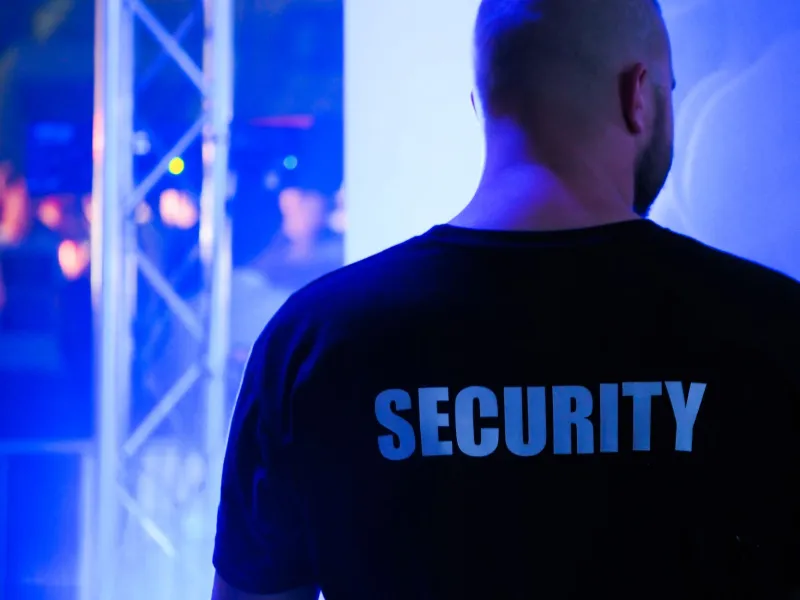
There's a moment every seasoned bouncer knows. It happens in the first three seconds someone walks up to the door — before a word is exchanged, before an ID is checked. Something in the body language, the energy, the way a person scans the crowd already inside. Veteran security staff call it reading the approach. Most of the time, it tells them everything.
Detroit's nightlife has always had an edge to it. The city's venues run the full spectrum — intimate jazz rooms in Midtown, packed techno warehouses in Corktown, basement bars in Hamtramck that don't even have a sign out front. And every single one of them depends on someone standing at the door who can hold it all together without making a scene.
We sat down with a handful of Detroit's most experienced security professionals — people who've worked the doors at some of the city's most well-known spots — to get a real look at what the job actually involves. What we found wasn't what you might expect.
It's Not About Size
Ask any long-time door worker in Detroit what the job requires, and physical strength will come up last, if it comes up at all.
"Honestly, the guys who think this is about being big don't last," says one security veteran who's worked doors in Detroit for over a decade, including stints at several high-volume venues on the east side. "The job is about reading people. It's about conversation. If something gets physical, you've already lost."
That philosophy is more common than you'd think among the city's more respected security crews. De-escalation isn't just a buzzword — it's the whole game. A situation diffused at the door is a situation that never becomes a problem inside, and that matters for everyone: the staff, the crowd, the venue's reputation, and the license that keeps the whole operation running.
The best door people, multiple sources told us, are part psychologist, part diplomat, and part neighborhood historian. They know who's who. They remember faces. They understand that the same crowd on a Friday night and a Saturday night can behave like two entirely different organisms.
The Weight of Judgment
Here's where it gets complicated. The discretion that makes great security effective is also the discretion that can be abused. Detroit's nightlife community has had real, ongoing conversations about discrimination at the door — about who gets turned away and why, and whether the reasoning is ever as neutral as it's claimed to be.
The door workers we spoke with didn't shy away from this. Several acknowledged that the industry has a history of using dress codes and vague "vibe" reasoning as cover for bias. One security professional who now works primarily at venues that have made explicit commitments to inclusive policies put it plainly: "If you can't explain your decision in a way that makes sense out loud, you probably shouldn't be making it."
That kind of internal accountability is increasingly becoming a marker of venues with what people in the industry call a thoughtful security culture. It's not just about having good people at the door — it's about training, communication with management, and a shared understanding of what the venue actually stands for.
Some Detroit spots have developed reputations specifically for this. Venues in the electronic music community, in particular, have pushed hard on this front, influenced in part by the scene's roots in Black and queer culture and a long-standing ethos around inclusion. When security staff at these venues turn someone away, there's usually a clear, articulable reason — and often, a conversation.
When Everything Goes Sideways
Even the best-run nights can unravel. A drink spilled, a misread moment, two people with history who weren't supposed to be in the same room. Door security are often the first to respond when things go south inside a venue, and how they handle it can be the difference between a contained incident and a full-scale situation.
"You learn to move without escalating," one security pro told us. "You position yourself in a way that gives the person an out. You're not trying to embarrass anyone. You're trying to get them to a place where they can calm down and everyone can move on."
That kind of emotional intelligence is hard to teach and harder to fake. It comes from experience, from paying attention, and from genuinely giving a damn about the people in the room — not just the ones who paid cover, but the staff, the performers, the regulars who've made a particular venue their place.
Several of the security professionals we talked to described a deep sense of ownership over the spaces they work in. They know the layout, the regular troublemakers, the bartenders who are good at flagging problems early. They know which nights draw which crowds, and they adjust accordingly. It's a living knowledge base, built over years.
The Venues That Get It Right
In Detroit, word travels fast about which venues have security worth respecting. It's the kind of thing that gets mentioned in the same breath as the music or the drinks — a part of the overall experience that either elevates a night or tanks it.
Venues that invest in their security culture tend to have a few things in common. Communication between door staff and interior staff is constant and clear. There's a chain of accountability that actually functions. And the security team is treated as part of the venue's identity, not just a liability management strategy.
For patrons, the difference is felt immediately. There's a reason certain spots in Detroit feel safer, more relaxed, more like everyone there actually wants to be there. A lot of that comes from the door — from the moment you're greeted (or not), from whether the interaction feels like a power trip or a welcome.
What They Actually Want You to Know
We asked every security professional we spoke with the same question: what do you wish people understood about your job?
The answers were surprisingly consistent. They want to have a good night too. They're not looking for conflict. They're not trying to ruin anyone's evening. Most of them got into this work because they genuinely like people and genuinely like the culture that Detroit's nightlife represents.
"I grew up going to these venues," one door worker told us. "I love this city. I love this scene. I take the job seriously because I take the community seriously."
That's the thing about Detroit's best door security. They're not standing outside looking in. They're part of the fabric — the quiet thread that holds a good night together from the first knock to the last call.
Next time you walk up to a door in this city, take a second. The person standing there is doing a lot more than checking your ID.