Rooted in the Room: The Detroit Venue Lifers Who Turned a Gig Into a Life's Work
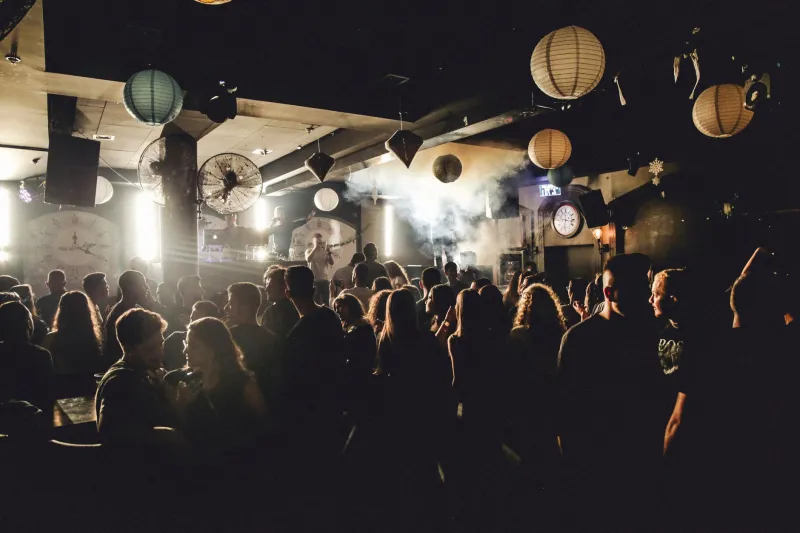
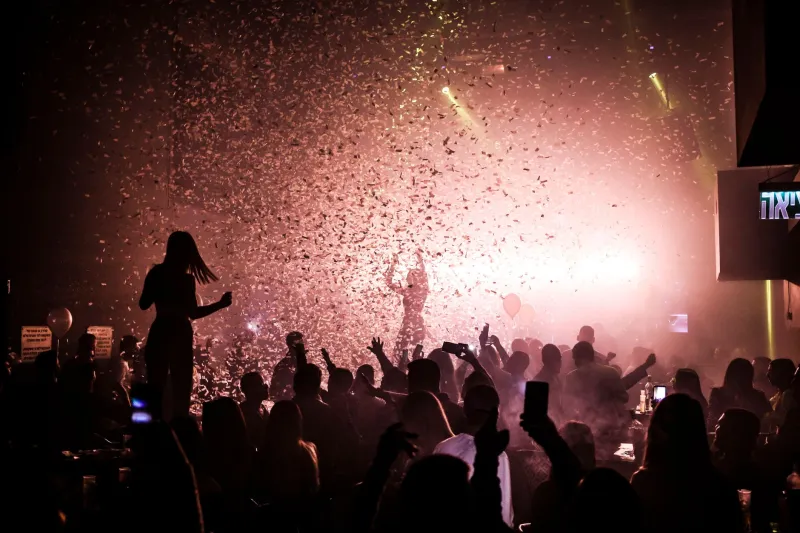
There's a particular kind of person you'll find in Detroit's best venues if you know where to look. They're not the headliner. They're not the promoter working the crowd near the bar. They're the ones who were there before the doors opened and will still be there long after the last customer walks out. They know which mic stand wobbles, which corner of the room gets too hot by midnight, and exactly which regulars need a glass of water before they know they need one.
These are Detroit's venue lifers — and they are something else entirely.
More Than Muscle Memory
Marco has been running the sound board at a well-worn east side music club for going on seventeen years. He was twenty-three when he first sat down behind the board, filling in for a friend who had a family emergency. He never really left.
"The first few years, I kept thinking I'd move on," he says, wiping down the board between sets like it's second nature — because it is. "I had other offers. But then something happens when you learn a room this well. You stop working in it and start working with it. It becomes a relationship."
That's the phrase that keeps coming up in conversations with long-tenured venue staff across Detroit: relationship. Not with the job, exactly — but with the physical space, the community that passes through it, and the rhythm of nights that blur together into something that starts to feel like a shared life.
For Marco, mastering the acoustics of one specific room over nearly two decades has made him something closer to a craftsman than an employee. He knows how a full house changes the reverb. He knows when a band is nervous before they do. That kind of knowledge isn't transferable to a résumé — it lives in the room itself.
The Loyalty Nobody Talks About
Ask anyone in Detroit's nightlife scene about turnover, and they'll tell you it's brutal. Bartenders bounce between spots chasing better tips. Door staff move around based on which clubs are hot that season. Sound techs freelance across the city. The industry is built on fluidity.
Which is exactly what makes the lifers so striking.
Danielle has been behind the bar at a Midtown venue for eleven years. She's watched the neighborhood transform around her — new condos, new restaurants, a whole new demographic showing up on weekends — but her spot at the bar hasn't changed.
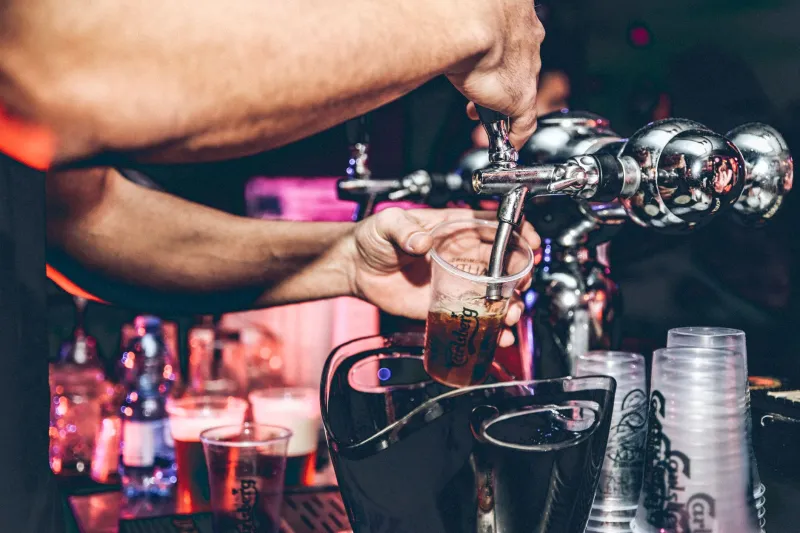
"People think staying in one place means you got stuck," she says, shaking a cocktail without breaking eye contact. "But I know every regular who comes through that door. I know their drink, their mood, whether they've had a rough week. That's not something you build in six months and then walk away from."
Danielle's described her role less as bartending and more as hospitality in the deepest sense — a word she uses deliberately. "I'm not just pouring drinks. I'm part of why people feel safe enough to actually let loose in here. That matters to me."
What Keeps Them
It's easy to romanticize longevity, so it's worth asking the harder question: what actually keeps someone in the same venue for a decade or more when the rest of the industry is constantly moving?
The answers are messier and more human than you might expect.
For Terry, a floor manager at a long-running venue in Corktown, part of it was simply being seen. "The owner knew my name on day one. Not just my name — my situation. I was going through some stuff when I started here, and this place gave me structure when I needed it. You don't forget that."
That sense of being genuinely known — not as an interchangeable part but as a specific person with a history — comes up repeatedly. Detroit's best independent venues, the ones with real culture and real regulars, tend to operate less like businesses and more like extended families. The staff aren't just employees; they're stakeholders in the room's reputation.
For others, it's about craft accumulation. Marcus, a lighting tech who's been at the same venue for eight years, talks about it almost like a martial art. "Every year, I get better at this specific room. I understand what the light does to people's moods in here. I've run thousands of shows. That's not nothing — that's expertise that took years to build, and it lives here."
The Unspoken Bond
There's something else that venue lifers share, something harder to quantify: a particular kind of trust that forms between long-term staff members who've been through everything together.
They've handled the nights when the headliner no-showed. They've talked down someone who had too much. They've worked New Year's Eve when the crowd got out of hand and Tuesdays in January when nobody came at all. They've covered each other's shifts, shared bad news in the parking lot after closing, and celebrated when the venue survived another tough stretch.
"We've been through things that would make a normal work team fall apart," Danielle says. "But we're still here. That's its own kind of bond. You can't manufacture that."
What the Rest of Us Get Out of It
Here's the thing that doesn't get said enough: when you walk into a Detroit venue and it feels right — when the sound is dialed in, the bartender greets you like you belong there, and the whole room hums with a kind of ease that you can't quite put your finger on — that feeling has a source. It's not magic. It's years of accumulated human investment.
The lifers are what separate a venue with a good location from a venue with a soul.
And in a city where nightlife history runs as deep as Detroit's — where the DNA of Motown, techno, and punk all live in the walls of different clubs — that accumulated knowledge matters more than most people realize. These are the people carrying the institutional memory of rooms that have meant something to generations of Detroiters.
Marco puts it plainly, in the way that people who've stopped needing to prove something tend to: "I could've gone somewhere else. But this room needed someone who knew it. And honestly? I needed a room that knew me back."
That's not a cautionary tale about limited ambition. That's what devotion actually looks like — and Detroit's nights are better for it.