Built to Last: The Secrets Behind Detroit's Toughest Venues Still Standing
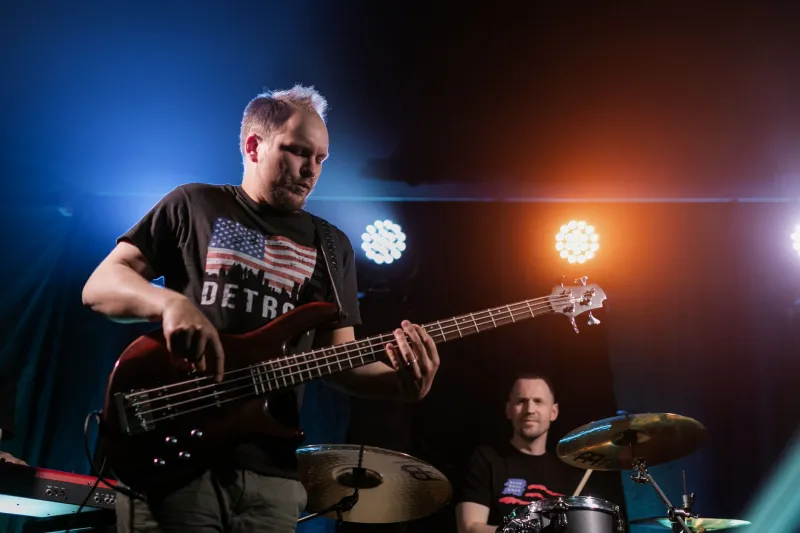
Detroit doesn't hand out longevity for free. The city's entertainment landscape has always been a proving ground — economic downturns, shifting neighborhoods, global pandemics, and the relentless churn of changing tastes have claimed more venues than most people can count. Yet some spots just keep going. They fill rooms on Tuesday nights when they should be empty. They retain staff in an industry notorious for turnover. They pivot when pivoting is the only option and hold firm when everyone else is cutting corners.
So what's actually going on inside these places? We spent time talking to owners, managers, and longtime employees at some of Detroit's most durable entertainment spots to get the real story.
The Community-First Playbook
If there's one thread connecting Detroit's most resilient venues, it's this: the ones that survived treated their neighborhoods like partners, not just foot traffic.
"We stopped thinking of ourselves as a bar that happened to be in Corktown and started thinking of ourselves as a Corktown institution that also serves drinks," said one longtime venue operator who's been running the same room for over fifteen years. That shift in identity — from business to community anchor — changed everything from how they booked acts to how they handled slow seasons.
Practically, that meant hosting neighborhood association meetings, partnering with local nonprofits for fundraiser nights, and keeping ticket prices accessible even when the temptation to chase higher margins was real. It built a loyalty that advertising dollars simply can't manufacture. When tough times hit, regulars showed up specifically because they felt ownership over the place.
In Mexicantown and Hamtramck, this approach has been almost formulaic in its effectiveness. Venues that embedded themselves in cultural programming — Día de los Muertos celebrations, Polish heritage nights, community art showcases — developed audiences that genuinely defend these spaces. They don't just attend; they recruit.
Revenue Diversification: The Unsexy Truth
Here's the part venue owners don't love talking about publicly: most of them aren't surviving on ticket sales and bar tabs alone. The venues that have made it through multiple economic cycles figured out early that a single revenue stream is a liability.
Private event rentals have become a genuine lifeline. Corporate buyouts, wedding receptions, album release parties, product launches — these bookings fill calendar gaps and often command premium pricing that subsidizes the riskier artistic programming. "Our Saturday night show might break even," one Eastern Market-area venue manager explained. "The Thursday afternoon corporate event paid for the sound system upgrade."
Merchandise, streaming partnerships, and even cooking and cocktail classes have entered the mix at several spots. One venue near Midtown started hosting ticketed vinyl listening sessions on Sunday afternoons — low overhead, devoted attendance, and a completely different demographic than their weekend crowd. That audience diversification matters enormously when any single scene starts to cool off.
Food programs have also become less optional and more essential. Venues that once treated the kitchen as an afterthought now run it as a standalone revenue driver. A strong food reputation brings in diners who might stay for the show, rather than show-goers who might order a plate.
Staffing: The Problem Nobody Has Fully Solved
Ask any venue owner what keeps them up at night and the answer is almost always the same: people. Hospitality has always dealt with high turnover, but the years since 2020 fundamentally altered the labor dynamics of the industry.
The venues doing this well have largely abandoned the old model of treating staff as interchangeable. Competitive hourly wages are table stakes now — the differentiator is culture. One Midtown venue implemented a profit-sharing structure for senior bartenders and floor managers. Another built a rotating schedule that actually accommodates the fact that their employees are often musicians, artists, and students with complicated lives.
"We stopped hiring for availability and started hiring for alignment," said one GM who's held her team together through conditions that gutted her competitors' rosters. "Someone who genuinely loves this space will work with you on scheduling. Someone who's just filling shifts will disappear the moment something better shows up."
Investing in training has also paid dividends. Venues that send staff to mixology courses, hospitality management workshops, and even mental health first aid training have seen measurable drops in turnover. It signals investment, and people respond to feeling invested in.
Adapting the Room Without Losing the Soul
Physical adaptation has been another survival tool, but it requires a careful hand. Venues that renovated aggressively and lost their character in the process often found that the audience they were chasing didn't show up — and the audience they had didn't come back.
The smarter moves were surgical. Better acoustics without changing the sight lines. Upgraded HVAC that made the room comfortable without looking like a renovation. ADA improvements that opened the door to broader audiences. Outdoor space additions that created new programming options rather than replacing old ones.
One legendary Detroit room added a smaller adjacent stage specifically for emerging local acts — keeping the main room for proven draws while building a development pipeline and giving newer artists a real showcase. That feeder system now supplies a portion of their main stage bookings, reducing booking costs and deepening community ties simultaneously.
The Long Game
What all of this adds up to is a refusal to optimize for the short term at the expense of the long term. The venues still standing in Detroit have, almost universally, made decisions that looked inefficient in the moment — keeping staff through slow periods, holding ticket prices steady, investing in infrastructure when the margins didn't obviously support it.
Those calls compound over time. The staff who were kept on became the institutional knowledge that new hires learn from. The ticket prices that stayed reasonable built audiences who kept coming back. The infrastructure investments made the room better, and a better room gets better bookings.
Detroit's entertainment scene has always rewarded authenticity and punished the cynical play. The venues that figured that out early are still here to tell the story.