Feel the Room: Inside the Split-Second Decisions That Define Detroit's Greatest DJ Sets

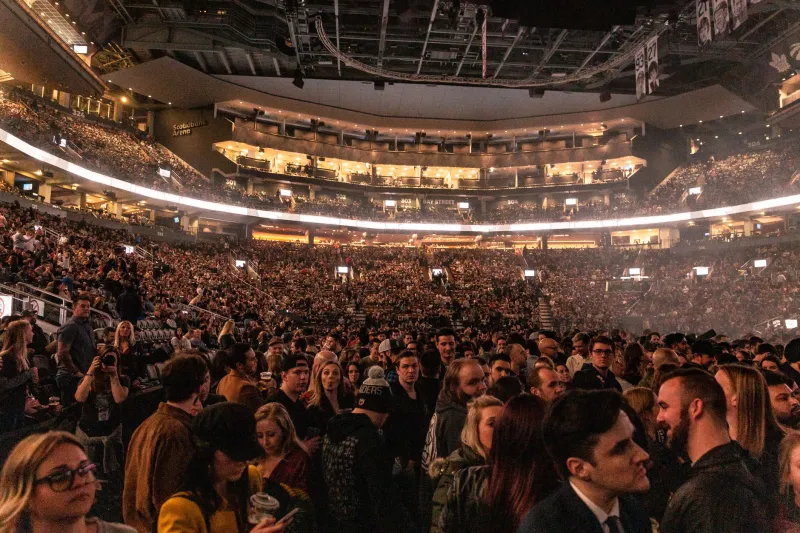
There's a moment in every great DJ set — usually somewhere between the second and third hour — when the whole room shifts. The energy tilts. People stop talking mid-sentence. Someone on the dance floor throws their hands up without thinking. The selector behind the decks didn't plan that moment in advance. They felt it coming and moved toward it.
That instinct is the thing that separates a technically proficient DJ from one that people in Detroit will actually talk about Monday morning.
It's Not About the Records
Ask any working selector in this city and they'll tell you the same thing: your crate doesn't save you. Your ears do.
"I've seen DJs come in with the most immaculate record collection you've ever laid eyes on," says one longtime Detroit selector who's held residencies at several well-known venues across Midtown and Eastern Market. "But if they can't feel what the room needs in that moment, those records are just dead weight."
The music knowledge matters, sure. But what separates the selectors who build loyal followings from those who fade out after a season is something harder to teach — a kind of social awareness that operates in real time, processing dozens of signals simultaneously.
Body language. Crowd density near the floor. How many people are standing at the bar versus actually dancing. Whether the conversations happening near the speakers are animated or distracted. Whether people are looking at their phones.
All of it feeds into a read that happens faster than conscious thought.
The Psychology of Pacing
Detroit has always had a particular relationship with patience in music. The city that gave the world techno understood something early on that other scenes took decades to catch up to: tension is a tool. The drop means nothing without the build.
That philosophy plays out differently depending on the room, the night, and the crowd. A Friday night crowd at a venue in New Center is going to respond differently than a Saturday late-night crowd at a basement party in Hamtramck. The selector's job is to figure out which version of Detroit is standing in front of them that night.
"People come in with different energy depending on the week they've had," explains one DJ who's been navigating Detroit floors for over a decade. "Sometimes they walk in already ready to go. Sometimes they need coaxing. Sometimes they need permission. You have to figure out which situation you're in before you can do anything useful."
Pacing, in this context, isn't just about BPM. It's about arc. Where is the crowd emotionally right now, and where do you want them to be in twenty minutes? In an hour? The best sets have a shape to them — a logic that the audience feels without ever consciously registering.
When the Plan Falls Apart
Every selector has a story about the night their carefully considered set list became useless within the first thirty minutes.
Maybe the crowd skewed older than expected. Maybe a local team just won a game and everyone arrived already buzzing. Maybe the venue's sound system has a dead zone that's killing the low end on the left side of the room, and half the floor isn't feeling what they should be feeling.
"You have to be willing to kill your darlings," one selector puts it bluntly. "I've had nights where I had this whole journey planned out — a real arc, transitions I'd been working on for weeks — and I looked up fifteen minutes in and knew none of it was going to work. You let it go and you start listening."
The ability to abandon a plan without panicking is a skill that takes years to develop. Early in their careers, most DJs describe feeling a kind of vertigo in those moments — the set they rehearsed mentally evaporating, leaving them exposed. Over time, the best ones learn to read that moment not as a crisis but as information.
The room is telling you something. Listen.
Trust and the Unspoken Contract
There's a social contract between a DJ and a dance floor that most people in the crowd never think about explicitly but feel deeply when it's broken.
When a selector earns trust — through consistency, through good reads, through the accumulated memory of past nights that went somewhere real — the crowd gives them more latitude. They'll follow a left turn that might have cleared the floor if attempted by someone they didn't know.
"Detroit crowds are sophisticated," says one selector who grew up here and has watched the scene evolve across multiple generations. "They don't need to hear the obvious choice every time. But they need to feel like you're in dialogue with them, not just performing at them. The moment they feel like you're not paying attention to them, you lose them. And in this city, once you lose them, they remember."
That reputation economy is part of what makes Detroit's DJ culture so distinct. Word travels. A selector who consistently delivers — who shows up, reads the room, and brings people somewhere they didn't expect to go — builds a following that's genuinely loyal. Not just casual fans, but people who will rearrange their Friday night specifically because that person is playing.
Learning to Trust the Gut
For all the craft and psychology involved, most of the selectors we spoke with eventually circle back to something that sounds almost mystical: at some point, you stop analyzing and you just know.
It's not magic. It's pattern recognition built from thousands of hours standing behind a mixer, watching floors respond to music, making mistakes and making adjustments. The analytical process that a newer DJ runs consciously eventually becomes automatic — a felt sense that arrives before the rational explanation for it does.
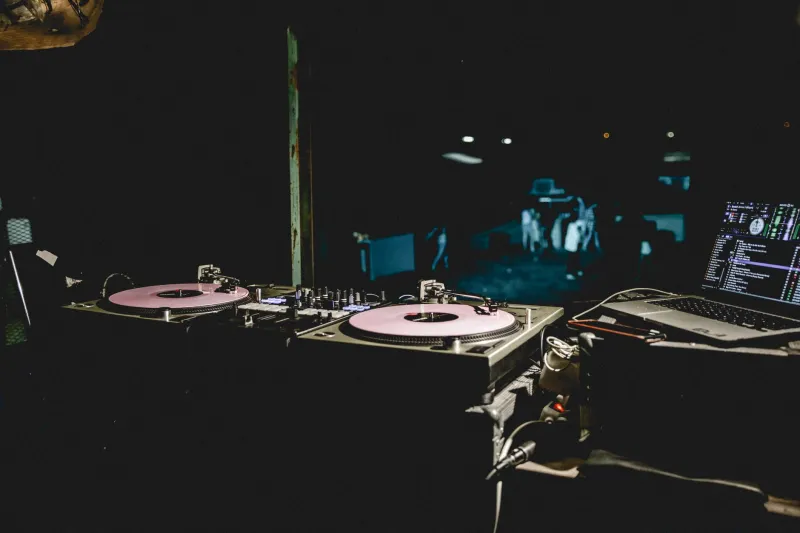
"There's a moment where you stop thinking about what the room needs and you just feel it," one veteran describes. "Like, your hand is already reaching for the next record before your brain has caught up with why. That's when you know you've actually learned something."
Detroit doesn't have much patience for performance without substance. The city's music culture has always rewarded the real thing and pushed back against anything that feels hollow. Its best DJs have absorbed that standard and carry it into every room they play.
They're not just managing a playlist. They're reading a room full of people who came looking for something they can't quite name — and finding it for them anyway.