Behind the Buzz: The Detroit Promoters Who Fill Rooms Before Anyone's Heard of the Band
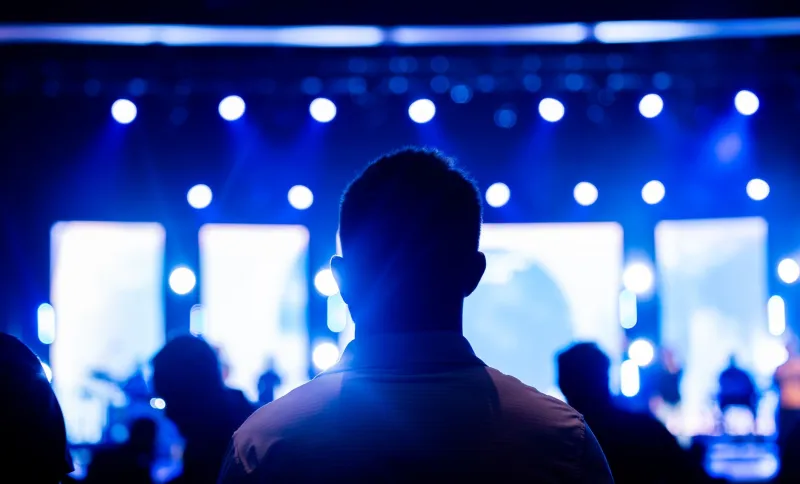
There's a particular kind of magic that happens when a show sells out and the crowd doesn't quite know why they showed up — they just knew they had to. Behind that feeling, almost every single time, is someone who never gets called to the stage. No spotlight, no applause, no encore. Just a mounting tab on their phone bill and a whole lot of faith in an artist most people haven't Googled yet.
Detroit's independent promoters are the invisible architecture of the city's live music scene. They're the ones texting venue managers at 11 p.m., refreshing ticket dashboards at 7 a.m., and somehow convincing a packed room on a Tuesday that this — right here — is the only place to be.
What a Promoter Actually Does (It's More Than You Think)
Ask most people what a promoter does and they'll say something about putting up flyers. And sure, flyers are part of it. But the actual job is something closer to talent scout, marketing director, community organizer, and risk manager — all rolled into one person who probably has a day job and is doing this because they genuinely can't stop.
The process typically starts long before a show is announced. Promoters are constantly scouting — digging through SoundCloud pages, watching Instagram Reels from cities like Chicago, Atlanta, and Brooklyn, and leaning on a network of other music obsessives who share tips the way other people share memes. When something clicks, they move fast. Reaching out to an artist's management (or the artist directly, if they're early enough in the game), negotiating a guarantee, locking a venue, and then immediately pivoting to the question that keeps everyone up at night: how do we get people through the door?
In Detroit, that question hits differently. The city has a fiercely loyal but deeply fragmented audience. Techno heads, hip-hop loyalists, indie rock diehards, jazz purists — they don't always overlap, and they don't always travel across the city for something unfamiliar. A promoter's job is to build a bridge between an artist's world and Detroit's, and to do it convincingly enough that people buy a ticket before they've heard a single track.
The Gut Feeling That Pays the Bills
Every promoter has a story about the booking that shouldn't have worked — and did. The out-of-town act nobody had heard of who sold out a 400-cap room in three days. The local rapper who'd been grinding for years and finally got the right stage at the right moment. These are the nights that keep independent promoters in the game, because the math doesn't always add up on paper.
The financial reality is genuinely precarious. Unlike a salaried talent buyer at a large venue, independent promoters take on real risk. They pay artist guarantees out of pocket, cover production costs, and hope that ticket revenue and maybe a bar split covers everything — with something left over for their trouble. When it works, it works. When it doesn't, the loss is personal.
What separates the ones who last from the ones who burn out isn't just taste — it's the ability to read a room before the room exists. That means understanding not just what's hot nationally, but what Detroit specifically is hungry for right now. And that kind of knowledge only comes from being deeply embedded in the city's cultural fabric: going to shows, knowing the bartenders, talking to the regulars, and paying attention to what conversations are happening in the parking lot after last call.
Social Media Is a Tool, Not a Strategy
Anyone who thinks a well-designed Instagram post is enough to sell out a show in 2025 hasn't tried it lately. Detroit's promoters are quick to point out that the algorithm is a moving target and organic reach has been shrinking for years. Social media matters — of course it does — but the promoters who consistently move tickets treat it as one layer of a much deeper effort.
Word of mouth still rules in this city. Getting the right ten people excited about a show — the ones who text their whole crew, who post stories without being asked, who show up early and stay late — is worth more than a thousand impressions from a boosted post. Promoters cultivate those relationships deliberately. They remember names, they give early access, they make people feel like insiders rather than just ticket buyers.
Community partnerships matter too. Linking up with local record shops, barbershops, clothing brands, and food spots to cross-promote isn't just good marketing — it embeds a show into the city's existing social fabric in a way that a digital ad simply can't replicate. Detroit has always had a strong sense of local identity, and the promoters who tap into that authentically tend to build the most durable followings.
Navigating the Tension Between Art and Commerce
Here's the uncomfortable truth that every independent promoter eventually has to reckon with: the shows they're most passionate about aren't always the ones that pay. Booking an experimental artist whose work is genuinely challenging, or bringing in a genre-bending act that doesn't fit neatly into any of Detroit's established scenes — these are the bets that can define a promoter's reputation but also clean out their savings.
The best in the game have figured out how to balance the books without compromising their identity. That might mean pairing a riskier headliner with a more established local opener to draw a crossover crowd. It might mean being strategic about venue size — not overshooting capacity in a way that makes a half-full room feel like a failure. Or it might mean building a series with a consistent identity so that audiences learn to trust the curation even when they don't know the names on the bill.
That last move — the curated series — has become something of a signature for Detroit's most respected promoters. When you know that a particular brand of night consistently delivers, you stop needing to be sold on every individual show. You just show up. That kind of loyalty is the real currency in this business.
Detroit's Scene Needs Them More Than It Admits
For all the attention that goes to the artists and the venues, Detroit's independent promoters are doing some of the city's most essential cultural labor. They're the ones taking chances on artists before the streaming numbers justify it, creating the conditions for new sounds to find their audiences, and keeping the connective tissue of the scene healthy and alive.
They're also, increasingly, the ones who have to navigate a live music landscape that's gotten more competitive, more expensive, and more unpredictable in the wake of everything the last few years threw at it. Rising costs, shifting audience habits, and the relentless churn of new platforms have made an already difficult job even harder.
And yet they keep going. Because at the end of the night, when the room is packed and the energy is exactly right and the artist on stage is playing to a crowd that didn't know their name six months ago — that feeling is hard to replicate anywhere else. Detroit's promoters know it better than anyone. They built it.