Frequency Makers: The Radio Voices Deciding What Detroit Hears Next
There's a moment — if you've ever caught the right station at the right hour — where a Detroit radio DJ drops a track you've never heard before, says three sentences about the artist, and suddenly you're texting your crew to find out where that person is playing this weekend. That moment isn't an accident. It's the product of decades of cultural instinct, community relationships, and a kind of local knowledge that no algorithm has figured out how to replicate.
Detroit's radio scene has always punched above its weight. This is, after all, the city that gave the world Motown and techno — two genres born from the same restless energy that still pulses through the airwaves today. But what's happening right now, in studios and on social feeds across the metro area, feels like a new chapter in that story.
The Tastemaker's Toolkit
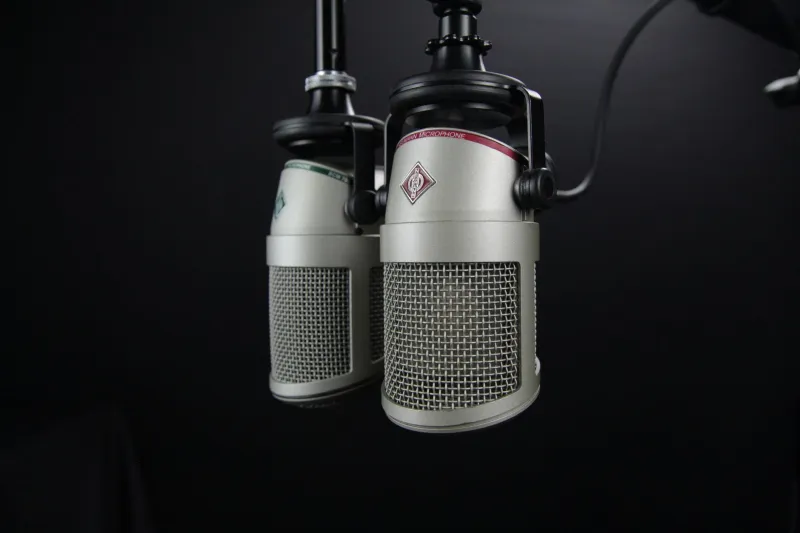
Ask any working radio personality in Detroit what their job actually involves, and you'll get an answer that goes way beyond spinning records. The modern on-air DJ is part broadcaster, part social media strategist, part community organizer, and part talent scout. They're fielding DMs from unsigned artists, showing up at venue showcases in Corktown and Eastern Market on their nights off, and maintaining relationships with local promoters that go back years.
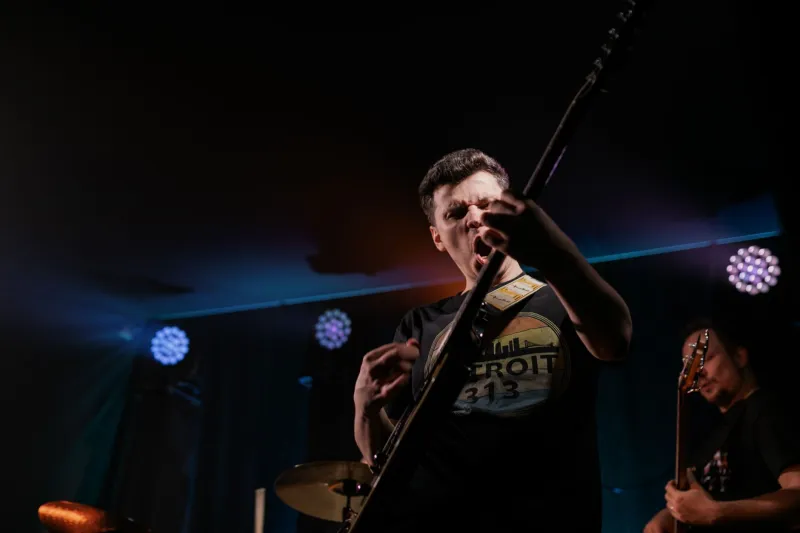
The toolkit has expanded dramatically. A DJ who does a solid morning drive shift might spend the afternoon posting a vertical video breakdown of a new local release, then pop up on a live Instagram session with an emerging rapper from the west side. By the time that artist plays the Majestic or Saint Andrew's Hall, a significant chunk of the room already knows the words — not because of a label push, but because one trusted voice said, this one matters.
That's influence in the most direct sense. And in Detroit, where scenes tend to build from the ground up before anyone outside notices, that influence is enormous.
Bridging Two Worlds
What makes Detroit's radio personalities particularly interesting right now is how deliberately they're straddling the old and the new. Traditional FM radio still reaches a massive audience in the metro area — drive-time commuters, construction workers, folks who've had the same station preset since 2009. That's a real, loyal listenership that streaming platforms can't fully claim.
But the savviest personalities aren't treating radio and social media as separate lanes. They're using each to feed the other. A mention on air drives people to an Instagram page; a viral clip from a live set drives people back to a broadcast. It's a feedback loop that keeps their reach broad while making their connection to individual listeners feel surprisingly personal.
Some are going even further, launching their own podcast extensions, curating Spotify playlists that function as unofficial supplements to their shows, or hosting listening parties at local bars and clubs where the line between broadcast and live experience starts to blur. A few have partnered directly with venues — think pop-up DJ nights where the on-air personality becomes the room's anchor, bringing their radio audience into a physical space and giving emerging artists a ready-made crowd.
Who Gets the Spotlight
The gatekeeping question is unavoidable. When one person's recommendation can genuinely move the needle for an unsigned act, the question of who gets chosen carries real weight. Detroit's radio personalities, to their credit, are largely aware of this responsibility — and many are vocal about using their platforms with intention.
You'll hear conversations about representation, about making sure genres beyond hip-hop and R&B get airtime, about lifting up artists from neighborhoods that don't always show up in the city's cultural narrative. There's a genuine effort among many of these DJs to reflect the full breadth of what Detroit sounds like — from the gospel choirs in Detroit's historic Black church communities to the electronic producers working out of basement studios in Hamtramck.
That said, access still matters. Artists who know how to navigate relationships, who show up consistently, who build genuine connections with the people behind the mic — they tend to get heard first. It's not a perfect system. But compared to the cold math of streaming algorithms, there's at least a human being on the other end of the equation.
Staying Relevant When Everything Is Streaming
Here's the honest reality: radio's overall audience has shrunk. Younger listeners, in particular, are more likely to discover music through TikTok or a curated playlist than through traditional broadcast. Detroit's radio DJs know this. Most of them will tell you straight up.
But they'll also tell you why they're not worried — or at least, not as worried as you might expect. Because what streaming doesn't offer is context. A playlist doesn't tell you that the artist you're listening to grew up in Brightmoor and used to busk outside Comerica Park. It doesn't connect a new release to the city's broader musical history. It doesn't feel like someone who actually lives here, who goes to the same spots you go to, is personally vouching for something.
That local, embodied credibility is the thing Detroit's radio personalities are doubling down on. They're leaning into their city-specific knowledge as a feature, not a bug. In an era of infinite content, curation from someone you trust is actually more valuable than it's ever been.
The Next Wave
Watch for what's coming. Several of Detroit's most-followed on-air personalities are quietly building infrastructure around their platforms — small media companies, event production arms, content studios — that could turn individual influence into something more institutional. The radio personality as brand, as venue partner, as scene architect.
For the artists coming up right now, the relationship with these tastemakers is worth cultivating. Getting your track played isn't just about streaming numbers anymore — it's about being part of a conversation that a real human being is having with a real Detroit audience. That's a different kind of break, and in this city, it still opens doors.
So next time you're in the car and a voice on the radio stops you mid-sentence with a song you've never heard — pay attention. That's not random. That's someone who's been doing their homework, building their relationships, and deciding, one track at a time, what Detroit sounds like next.