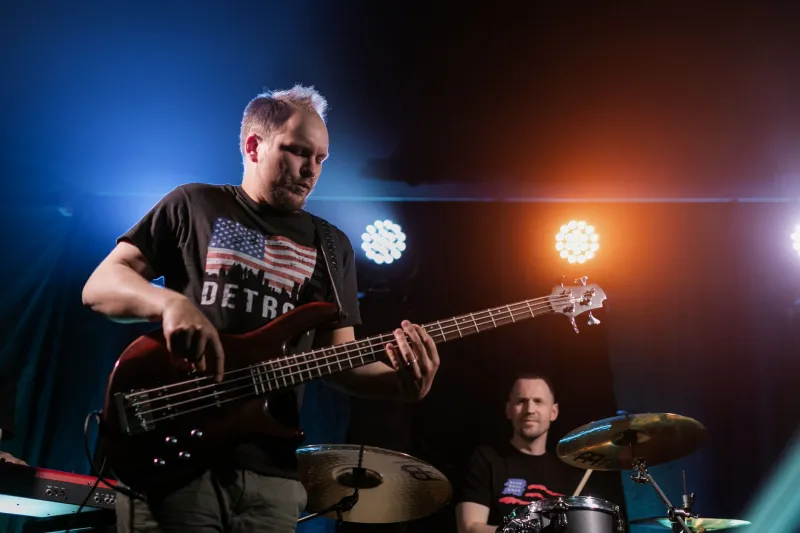
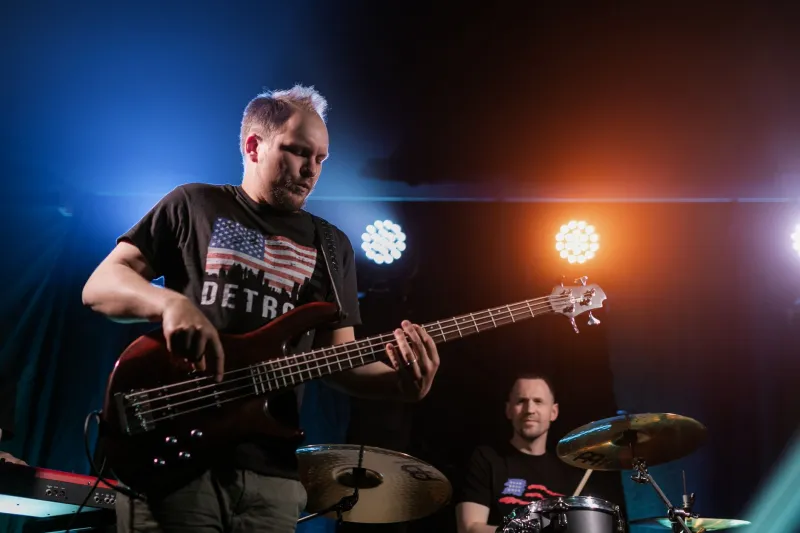
Hustle and Hold On: How Detroit's Independent Venues Are Fighting to Stay Open

There's a moment every independent venue owner knows well. It usually hits around 11 p.m. on a Tuesday—when the bar's half-staffed, the headliner's running late, and the door count is sitting somewhere between disappointing and catastrophic. You do the math in your head. Again. And then you figure out how to make it work. Again.
That quiet, grinding hustle is the real story behind Detroit's live music and nightlife scene right now. Not the packed Saturday nights or the viral moments—the everyday calculus of keeping a small venue alive in a city that's changing faster than most people can track.
The Numbers Don't Lie
Operating costs for independent venues have climbed sharply over the past few years. Liquor licensing fees in Michigan have seen incremental increases, but it's the surrounding expenses—insurance premiums, security staffing, sound equipment maintenance, and HVAC systems in aging buildings—that are quietly bleeding smaller operators dry.
"People see a $15 cover and think we're raking it in," says one venue manager who oversees a 300-capacity room on the east side. "They don't see the $4,000 we paid for liability insurance this month, or the $1,200 we spent fixing the HVAC before a show. It adds up before a single person walks through the door."
Meanwhile, consumer behavior has shifted in ways that weren't easy to predict. Post-pandemic spending habits have left a complicated footprint on nightlife. Some Detroiters are going out more intentionally—fewer nights out, but bigger spend when they do. Others have pulled back entirely, opting for house parties, streaming, or simply staying home. For venues that depend on consistent mid-week foot traffic, that shift has been painful.
Staffing: The Invisible Crisis
If you ask venue operators what keeps them up at night more than anything else, staffing comes up fast. Detroit's service industry labor pool has tightened considerably, and the competition for experienced bartenders, sound engineers, and security personnel is real.
"We lost two of our best bartenders in one month last year," recalls the owner of a mid-sized venue near Corktown. "One went to a restaurant group that could offer benefits. The other just left the industry. We had to completely rethink how we schedule and what we can realistically offer people."
Some venues have responded by cross-training staff across multiple roles, reducing overall headcount while keeping flexibility. Others have experimented with tipping structures and profit-sharing on event nights to retain talent without committing to fixed salary increases they can't sustain.
Rethinking the Revenue Mix
Here's where it gets interesting—and honestly, kind of inspiring. Detroit's independent venue operators aren't just cutting costs. They're building entirely new income streams that would have seemed unusual five years ago.
Private event rentals have become a lifeline for many. Spaces that once reserved their rooms exclusively for ticketed shows are now hosting corporate happy hours, product launches, nonprofit fundraisers, and community meetings during off-peak hours. It's not glamorous, but it keeps the lights on between bookings.
Merchandise has gotten more sophisticated, too. Some venues have developed their own branded lines—not just T-shirts, but limited-run items tied to specific shows or anniversaries that create collector appeal and word-of-mouth buzz. A few have even partnered with local Detroit artists and designers to create venue-exclusive drops that sell out quickly and generate social media traction.
Then there's the programming pivot. Several venues have moved away from relying solely on touring acts and are doubling down on locally curated nights—genre-specific parties, open mic formats, DJ residencies with Detroit-rooted talent, and themed events that draw on the city's deep cultural identity. These nights often cost less to produce and generate stronger community loyalty than a mid-tier touring act that draws a thin crowd.
Community as a Business Strategy
One of the more meaningful shifts happening across Detroit's independent venue scene is a deliberate move toward community integration. Venues are increasingly positioning themselves not just as entertainment spaces but as neighborhood anchors.
That looks different depending on the block. In some cases, it means partnering with local food vendors or pop-up markets to draw foot traffic on slower nights. In others, it means hosting free or low-cost events for local residents—art shows, listening parties, cultural celebrations—that build goodwill and expand the venue's audience beyond its usual regulars.
"We started doing a monthly community night where the cover is pay-what-you-can," says one operator in the New Center area. "We don't make much on those nights, but the people who come back the next Saturday for a ticketed show? They feel like this place is theirs. That loyalty is worth more than one night's take."
Some venues have also formalized partnerships with neighborhood organizations and arts nonprofits, which opens doors to grant funding and sponsorship opportunities that purely commercial operations can't access. It's a model that blurs the line between business and civic institution—and in Detroit, that blur might be exactly what keeps independent spaces viable.
What Survival Actually Looks Like
Nobody in Detroit's independent venue world is pretending this is easy. The economics are genuinely hard, and some spaces that deserved to survive haven't. But the ones still standing are doing something worth paying attention to: they're adapting without abandoning what made them worth saving in the first place.
The vibe, the community, the willingness to take a chance on a weird bill or an untested artist—that's still here. It's just wrapped in a more complicated business model than it used to be.
If you care about Detroit's live scene, the best thing you can do is show up. Buy a ticket in advance. Grab a drink. Tell your friends. The hustle only works if the crowd shows up to meet it.