Scene Architects: The Detroit Visionaries Turning Ordinary Nights Into Something You'll Actually Remember
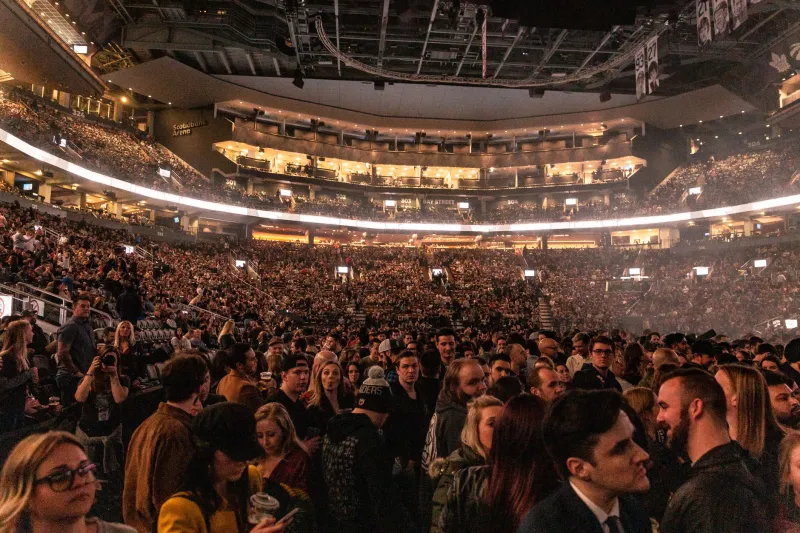
There's a particular feeling that hits you when you walk into an event that wasn't designed to be just another night out. The room is arranged differently than you expected. The music doesn't belong to a single genre you can name. Maybe there's something on the walls that shouldn't work alongside a DJ set but somehow does. That feeling — that sense of being genuinely caught off guard in the best possible way — doesn't happen by accident in Detroit. It happens because somebody spent weeks, sometimes months, engineering exactly that moment.
These are the city's event curators. Not promoters in the traditional sense, not bookers chasing guarantees, not venue managers filling calendar slots. They're something harder to define and arguably more important to the culture: the people who decide what kind of experience you're going to have before you ever walk through the door.
More Than a Lineup
Ask most people what makes a great event and they'll start listing names — the headliner, the support acts, maybe the venue itself. Curators think differently. For them, the performers are one ingredient in a much larger recipe.
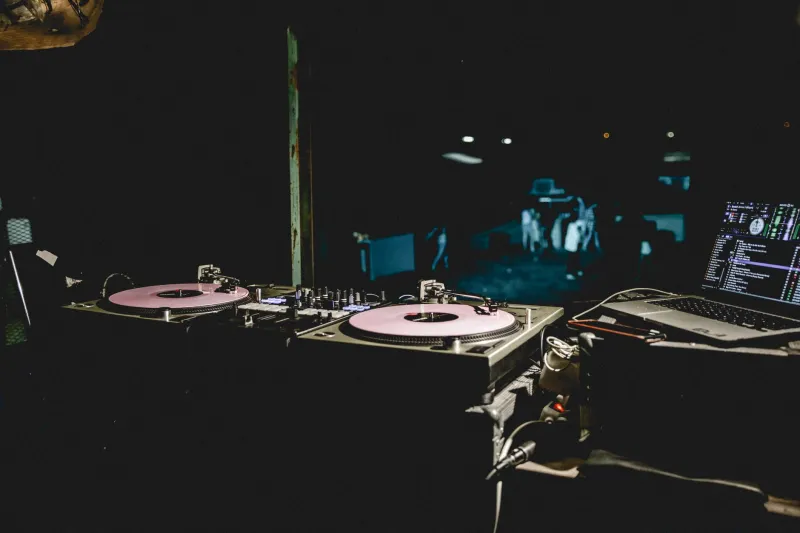
Take the approach that's been gaining real traction in Detroit's midsize venue circuit over the past couple of years: pairing live electronic sets with rotating visual art installations that respond, in real time, to the music being played. It sounds like something you'd find in a gallery in Brooklyn or Berlin, but Detroit's been quietly doing its own version of this for a while now, rooted in the city's deep techno lineage and its long history of artists who bleed across disciplines.
Curators working in this space talk about "environmental storytelling" — the idea that every element of a room, from the lighting temperature to where the bar is positioned relative to the stage, contributes to whether an audience feels open or closed, curious or comfortable. Comfortable, they'll tell you, is the enemy of memorable.
Finding the Edge Before It Becomes the Middle
One of the things that separates a genuinely great curator from someone who's just good at logistics is timing. Detroit's most influential event architects have an almost eerie ability to identify what's about to matter before it shows up on anyone's algorithm.
This isn't mystical. It's the product of obsessive listening, deep community roots, and a willingness to take financial risks on ideas that don't have a proven audience yet. Several curators working the Detroit circuit describe a similar process: they spend significant time in spaces that aren't their own — other cities, smaller towns, online communities that haven't crossed over into mainstream cultural conversation — absorbing what's moving people before it gets a name.
Genre mashups are one of the most visible results of this forward-leaning instinct. Detroit has seen a run of events in recent years that deliberately refuse easy categorization: jazz improvisers sharing a bill with footwork producers, gospel-influenced vocalists performing over ambient drone sets, West African percussion workshops folded into late-night dance events. These aren't novelty pairings thrown together for the press release. They reflect a curatorial philosophy that treats genre boundaries as suggestions rather than walls.
The events that land — and not all of them do, which curators are refreshingly honest about — tend to share a quality that's difficult to manufacture: they feel inevitable in retrospect, even though nobody saw them coming.
The Philosophy Behind the Risk
Spend enough time talking to Detroit's curatorial class and a few consistent threads emerge. The first is a genuine belief that audiences are smarter and more adventurous than the entertainment industry gives them credit for. The second is a deep resistance to the kind of event programming that optimizes for safety over significance.
"Safe events fill rooms once," is a sentiment you'll hear in various forms. "Interesting events build communities."
That community-building dimension is something Detroit curators take seriously in ways that feel specific to this city. There's a consciousness here about who gets to be in the room, who feels welcomed, and whose cultural traditions are being centered versus borrowed. The most respected curators in the city are the ones who've figured out how to create genuinely inclusive spaces without flattening the specificity that makes those spaces worth being in.
Immersive formats have become one of the primary tools for this. When an event asks something of its audience — invites participation, breaks down the performer-spectator divide, creates moments that only exist because everyone in the room showed up — it changes the social contract. People arrive as strangers and leave as something closer to collaborators.
The Logistics Nobody Talks About
Here's what the romanticized version of the curator story leaves out: this work is exhausting and frequently thankless. Coordinating between visual artists, musicians, venue staff, lighting technicians, and the fifteen other moving parts that make an immersive event function requires a level of organizational patience that doesn't get celebrated the way the creative vision does.
Budgets are almost always tighter than the ambition. Detroit's independent venues are supportive partners for the most part, but they're running on margins that don't leave much room for experimentation. Curators often absorb personal financial risk to make their concepts work — fronting costs for installations, eating losses when ticket sales underperform, negotiating payment structures that protect artists even when it means they themselves walk away with very little.
The ones who keep doing it aren't doing it for the money. That much is obvious. What drives them is harder to articulate but easy to recognize: a genuine belief that the way people experience live entertainment matters, that it shapes how they see each other and the city they share.
What Detroit Does Differently
Every major American city has its version of the independent curator scene. What makes Detroit's iteration distinct is the weight of the city's own cultural history pressing on everything that happens here. You cannot curate a music event in Detroit without existing in conversation with techno, with Motown, with the decades of creative output that emerged from communities that had every reason to look inward and chose instead to build something the whole world wanted to hear.
The best curators working in Detroit right now aren't trying to replicate that legacy or cash in on its nostalgia value. They're using it as a foundation — a proof of concept that this city knows how to generate culture that outlasts the moment it was made in.
The events they're building today are designed with the same ambition: not just to fill a room on a Saturday night, but to create something that changes, even slightly, how the people in that room understand what's possible.
That's a high bar. Detroit's scene architects seem to like it that way.