What Your Nose Knows: The Invisible Signatures That Make Detroit's Best Venues Unforgettable
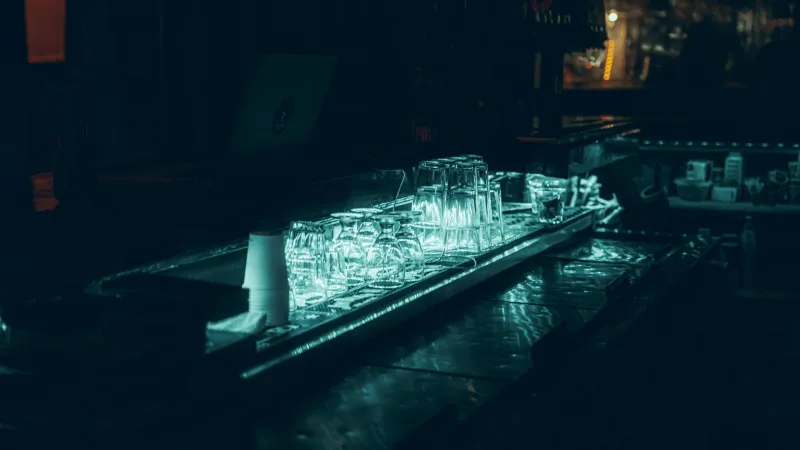
Walk into the right room on the right night in Detroit and something happens before the bass even reaches your chest. Your nose catches it first — a layered, complicated thing that's part history, part humidity, part whatever the bartender spilled three hours ago. It's not glamorous. It's not something any venue owner puts in a press release. But ask any true Detroit nightlife lifer what makes their favorite spot feel like home, and after a beat or two, they'll probably start describing a smell.
Scent is the sense most directly wired to memory and emotion, and Detroit's venues — whether they've been pouring drinks since the Prohibition era or opened their doors six months ago in a repurposed warehouse — have built up olfactory identities as specific as a fingerprint. Some of those identities were curated deliberately. Most of them just happened. Either way, they stick.
The Basement Smell Is Real (and People Love It)
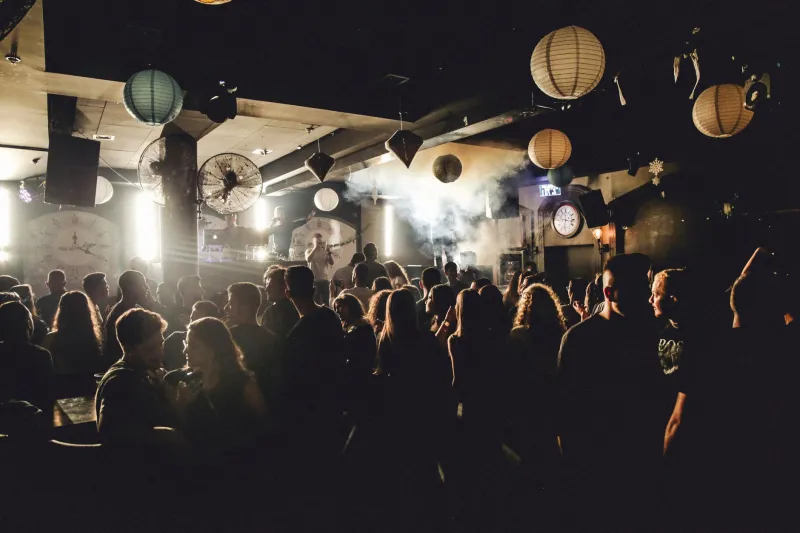
Anyone who's spent time in Detroit's underground techno scene knows the smell. It's not subtle. It's the combination of low ceilings trapping body heat, decades of absorbed cigarette smoke baked into concrete walls, the faint chemical edge of fog machine fluid, and — underneath all of it — something almost earthy, like the building itself is sweating alongside you.
Venue regulars describe it with a kind of affection that borders on reverence. "That smell tells you the room is working," one longtime attendee of Detroit's warehouse circuit told us. "If a place smells too clean, too air-conditioned, too new — you're not going to feel the music the same way. The smell is part of the pressure."
There's actual science behind that. The olfactory bulb, which processes smell, has direct connections to the amygdala and hippocampus — the parts of the brain that handle emotion and memory. When you associate a particular scent with an experience that moved you, that scent becomes a trigger. Years later, a whiff of something similar pulls you right back into the room. Detroit's techno clubs have been conditioning their regulars this way for decades, entirely by accident.
Old Wood and Spilled Whiskey: The Historic Bar Signature
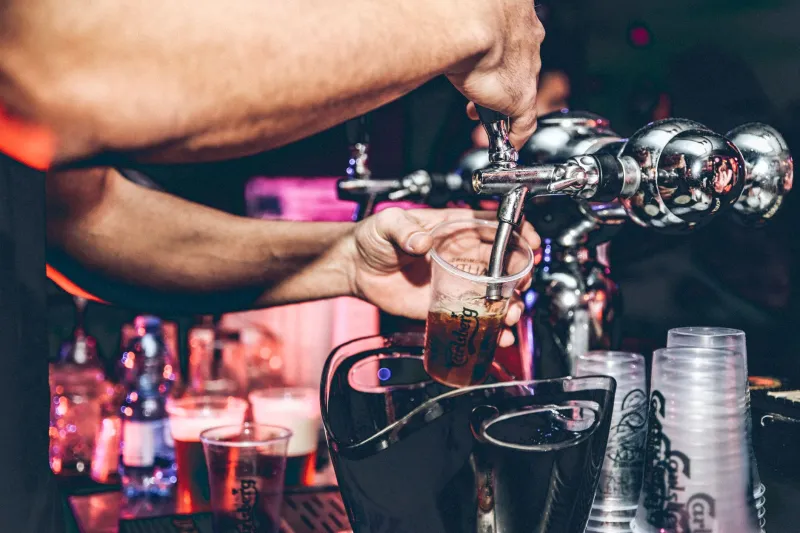
On the other end of the spectrum sit Detroit's old-guard bars — the ones with mahogany that's been absorbing bourbon and beer since before most of their current patrons were born. These places smell like time. There's the sharp top note of fresh pour, the middle layer of something caramelized and sticky, and then the deep base of aged wood that no cleaning product fully reaches.
Bar owners who've inherited these spaces talk about the smell almost protectively. "People come in and they immediately relax," said one east-side bar owner whose family has run the same spot for over forty years. "I think it's because the smell tells them this place has been here, it's going to keep being here. There's comfort in that."
Some newer venues have actually tried to reverse-engineer this — aging their woodwork deliberately, sourcing reclaimed bar tops from demolished Detroit buildings, even consulting with fragrance designers about ambient scent systems. The results are mixed. Regulars can tell the difference between earned patina and manufactured atmosphere. The nose, it turns out, is a pretty reliable authenticity detector.
The Sweat and Smoke Economy
Detroit's live music venues operate on a different olfactory register entirely. The moment a packed crowd and a loud band share a room, the air chemistry shifts. Perspiration, spilled drinks, the residual ghost of cigarettes smoked on the sidewalk and carried back inside on jackets, the sharp tang of guitar amp heat — it all layers into something that is objectively not pleasant and yet completely essential to the experience.
Sound engineers and stage managers talk about this more than you'd expect. "When I walk into a venue before load-in and it smells like a clean office building, I get nervous," one touring production manager said after a Detroit stop. "The smell tells me whether a room has been used right. A room that's been used right for music smells like music."
There's a reason that vinyl records, vintage concert tees, and even old ticket stubs carry sentimental weight — they hold on to the smells of the nights they came from. The souvenir is, in part, a scent memory preserved in physical form.
When Venues Get It Wrong
Not every olfactory story is a love letter. The wrong smells can kill a night faster than a bad sound system. Mildew that crosses from "character" into "health hazard." Cleaning products so aggressive they give you a headache before the opener finishes their set. Air fresheners that smell like a hotel lobby and make the whole room feel corporate and temporary.
Detroit venue owners who've been around long enough have learned to walk a careful line. "You want it to smell lived-in, not neglected," one Midtown venue manager explained. "There's a version of 'old bar smell' that makes people feel nostalgic and a version that makes them check their shoes. You have to know which side you're on."
The fix isn't always obvious. Over-cleaning can strip a room of its character. Under-cleaning is just under-cleaning. The sweet spot — the olfactory profile that reads as authentic and welcoming — often comes down to years of calibration, paying attention to what the room is telling you, and resisting the urge to sanitize everything into blandness.
Scent as Community Glue
Here's the thing that doesn't get talked about enough: the smell of a venue is one of the reasons people form lasting attachments to specific rooms and not just to music or nightlife in general. You can hear a DJ set on a recording. You can watch a live performance on video. You cannot replicate the specific atmospheric cocktail of a room that has been hosting the same community for twenty years.
That's partly why Detroit regulars mourn venue closures so intensely. It's not just the programming or the history or even the people — it's the sensory totality of a place that existed nowhere else and will never exist again in quite the same way. When a venue closes, that specific smell disappears from the world forever.
Detroit has lost too many of those rooms. The ones still standing carry their scents like institutional memory — proof that something real happened here, that real people showed up, danced, drank, argued about music, fell in love, and came back the next weekend to do it all again.
Your nose remembers even when the rest of you forgets. That's not a small thing. In a city that's had to rebuild its identity as many times as Detroit has, the invisible signatures of its surviving venues are part of the cultural record. Walk in, take a breath, and pay attention. The room is telling you something.